
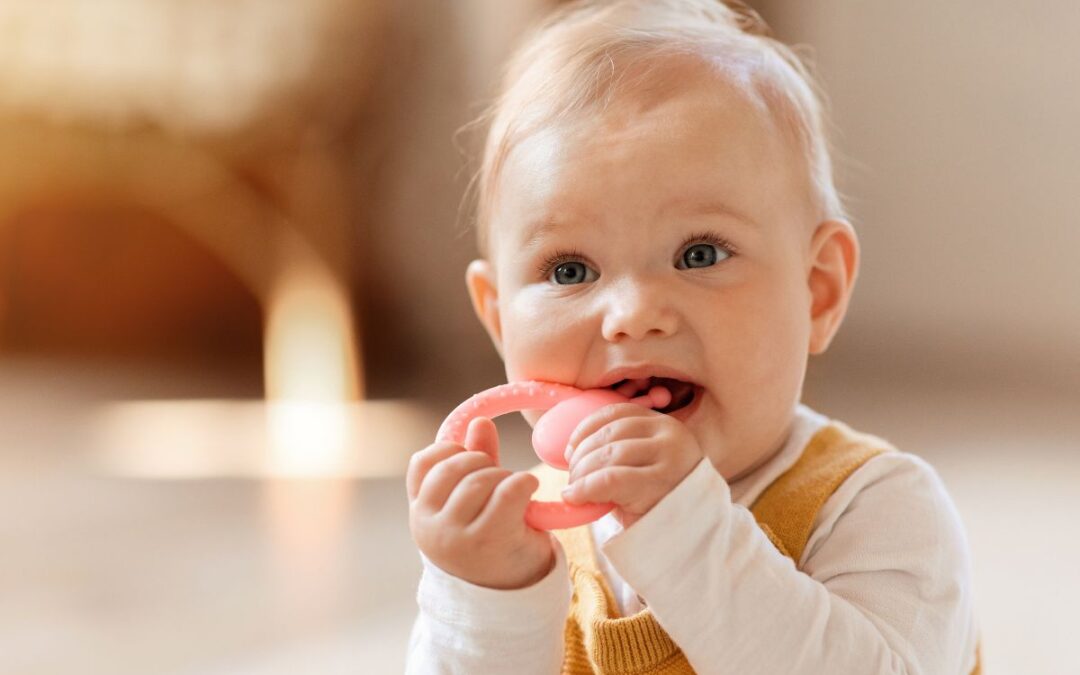
Watching your baby grow is filled with exciting milestones — first smiles, first giggles, and eventually, first teeth. But along with that tiny tooth poking through the gums often comes drooling, fussiness, and plenty of questions. When exactly does teething begin? How long does it last? And how can you help your little one feel better?
Teething is a natural part of development, but it can feel overwhelming if you’re not sure what’s normal. Many parents also begin thinking about their child’s first dental visit during this stage and look for practices that focus on kid-friendly dentistry, where young patients feel safe, comfortable, and understood. This guide will walk you through when babies typically start teething, the signs to look for, and simple ways to keep your child comfortable while supporting healthy dental habits from the very beginning.
When Do Babies Usually Start Teething?
Most babies begin teething between 4 and 7 months of age, though some may start earlier and others later. Every child develops at their own pace, so slight variations are completely normal.
In rare cases, babies are even born with a tooth. On the other hand, some infants may not show their first tooth until closer to their first birthday. If your baby seems happy, healthy, and developing well otherwise, a delayed first tooth usually isn’t a cause for concern.
Understanding the Baby Teething Timeline
Teeth don’t all come in at once. They follow a general pattern:
- Lower central incisors (bottom front teeth): 6–10 months
- Upper central incisors (top front teeth): 8–12 months
- Upper and lower lateral incisors: 9–16 months
- First molars: 13–19 months
- Canines: 16–23 months
- Second molars: 23–33 months
By the age of 3, most children have a full set of 20 primary (baby) teeth.
Keep in mind, this timeline is a guide — not a strict rule. Some children may follow a slightly different order, and that’s perfectly okay.
Common Signs and Symptoms of Teething
Teething symptoms can vary from baby to baby. Some breeze through it, while others experience noticeable discomfort. Common signs include:
- Increased drooling
- Swollen or tender gums
- Chewing on fingers, toys, or household objects
- Mild irritability
- Slight changes in sleep patterns
- Decreased interest in feeding for short periods
It’s important to note that high fever, severe diarrhea, or intense rashes are not typical teething symptoms. If your baby experiences these, it’s best to consult a healthcare provider.
How to Soothe Teething Discomfort?
While you can’t stop teething from happening, you can make it easier for your child.
Here are simple ways to help:
- Gently massage the gums with a clean finger.
- Offer a chilled (not frozen) teething ring.
- Let your baby chew on a clean, damp washcloth that’s been cooled in the refrigerator.
- Keep the face dry to prevent irritation from drooling.
- If discomfort seems significant, speak with your pediatrician before using any medication.
Consistency and comfort go a long way. Sometimes, a little extra cuddling is just what they need.
When Should You Be Concerned?
Most teething symptoms are mild and temporary. However, you should contact a medical or dental professional if your baby:
- Has a persistent high fever
- Refuses to eat for an extended period
- Shows signs of dehydration
- Develops unusual swelling or bleeding in the mouth
Trust your instincts as a parent. If something feels off, it’s always okay to ask questions.
When Should a Baby See a Dentist?
The general recommendation is that your baby should visit a dentist by their first birthday or within six months of their first tooth appearing — whichever comes first.
Early visits are about prevention and education. They help ensure teeth are coming in properly and give parents guidance on brushing, nutrition, and habits like thumb-sucking. Choosing a practice that focuses on gentle, kid-friendly dentistry can make these first visits calm and positive, setting the tone for a lifetime of comfortable dental care.
If you’re unsure about when to schedule that first appointment or have questions about your baby’s teething progress, contact us for guidance. We’re always happy to help parents feel informed and confident.
Building Healthy Habits From the Start
Good oral care begins even before the first tooth appears.
Here’s how you can protect your baby’s smile:
- Wipe your baby’s gums with a clean, damp cloth after feedings.
- Once the first tooth erupts, use a soft-bristle toothbrush.
- Apply a rice-sized amount of fluoride toothpaste.
- Avoid putting your baby to bed with a bottle containing anything other than water.
- Limit sugary drinks and snacks as they grow.
Starting early makes oral hygiene a natural part of daily life rather than a struggle later on.
Keeping Your Little One’s Smile Healthy and Pain-Free With Conte Dentistry!
Teething can be a challenging phase, but it’s also an exciting sign that your baby is growing. With the right care, patience, and guidance, you can ease discomfort and build a strong foundation for lifelong oral health.
At Conte Dentistry, we are dedicated to supporting families through every stage of dental development. If you’re looking for a compassionate pediatric dentist in Red Bank who understands the importance of early care, our team is here to help make those first visits comfortable and reassuring. Visit our dental office to ensure your child’s smile stays healthy, happy, and pain-free.