
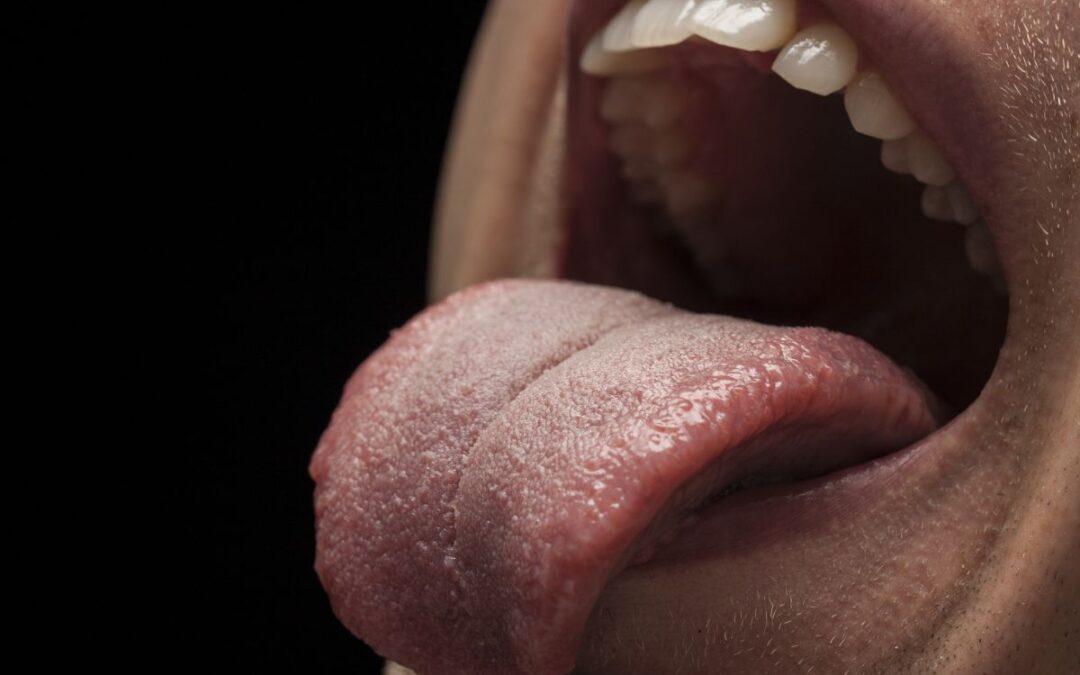
Noticing a bump on your tongue can feel a little alarming, especially if it appears suddenly or causes discomfort. Many people experience this concern, and in most cases, tongue bumps are harmless and temporary. However, understanding the difference between normal bumps on the tongue and changes that may need attention is important for maintaining your oral health. Whether you’re wondering, “Why is there a bump on the side of my tongue?” or you’ve noticed a bump on the tip of your tongue that’s not going away, knowing the possible causes can help you decide when it’s time to seek professional dental care.
What Are Tongue Bumps?
Tongue bumps are small, raised areas that can appear on the surface or sides of your tongue. They may be white, red, or slightly swollen. Since your tongue is covered in tiny structures called papillae, which contain your taste buds, it is naturally more sensitive and prone to irritation.
What Causes Tongue Bumps?
There are many possible tongue bump causes, and most are related to minor irritation or temporary inflammation. Some of the most common reasons include:
- Minor irritation: Biting your tongue or eating rough foods
- Canker sores: Small, painful ulcers inside the mouth
- Enlarged papillae: Often called “lie bumps,” these small, raised bumps can appear on the tip, side, or back of the tongue and usually disappear within a few days.
- Allergic reactions: An allergic reaction can cause tongue bumps, swelling, or irritation after eating certain foods or using specific oral care products.
- Oral infections: Bacterial or viral infections may cause swelling
- Vitamin deficiencies: Low levels of certain vitamins, especially B vitamins and iron, can sometimes contribute to changes in the tongue, including soreness or bumps.
When Is a Tongue Bump Normal?
In many cases, tongue bumps are completely normal. They are usually not a concern if:
- They go away within a few days
- There is little to no pain
- They do not grow or spread
Some people naturally have bumps on the back of the tongue, which are larger taste buds known as circumvallate papillae. These are a normal part of your tongue’s anatomy. It’s also common to notice temporary bumps after eating spicy foods, accidentally biting your tongue, or drinking very hot beverages. These bumps usually improve within a few days without treatment.
Signs a Tongue Bump May Be a Concern
There are times when a tongue bump should not be ignored. Consider seeking care if:
- The bump lasts longer than two weeks
- It becomes painful or worsens
- There is bleeding or discharge
- The bump changes in size or color
- It makes eating or speaking difficult
These signs don’t always indicate something serious, but they do require attention.
How to Manage Tongue Bumps at Home?
For mild cases, you can try simple care at home:
- Rinse with warm salt water
- Avoid spicy or acidic foods
- Drink plenty of water
- Maintain gentle oral hygiene
These steps can help reduce irritation and support healing.
If you notice a bump on the side of your tongue or even a lump on the side of your tongue that isn’t painful, it’s still worth monitoring. While many painless bumps are harmless, any lump that lasts longer than two weeks or continues to grow should be examined by a dental professional.
When to See a Dentist?
While most tongue bumps heal on their own, some should be evaluated by a dentist. If you notice a bump on the side of your tongue or even a lump on the side of your tongue that isn’t painful, it’s still worth monitoring. While many painless bumps are harmless, any lump that lasts longer than two weeks or continues to grow should be examined by a dental professional.
If you’re in Red Bank or nearby areas and unsure whether your tongue bump is normal or needs attention, reaching out for guidance can provide clarity and peace of mind. Contact our dental office to discuss your symptoms and next steps.
How Dentists Diagnose and Treat Tongue Bumps
During your visit, the dentist will examine your tongue and ask about your symptoms and habits. In most cases, diagnosis is straightforward.
Treatment may include:
- Advice on improving oral hygiene
- Avoiding irritants
- Medications if infection or inflammation is present
- Monitoring the area if needed
Concerned About a Tongue Bump? Visit Conte Dentistry
Tongue bumps are often harmless, but knowing when to take action is key to protecting your oral health. With proper care and timely attention, most issues can be resolved quickly. If you’re looking for a trusted dentist who can evaluate a persistent bump on your tongue, a bump on the side of your tongue, or other oral concerns, we’re here to help. Visit our dental office and take the next step toward better oral health.
FAQs About Tongue Bumps
1. Can dehydration cause tongue bumps?
Yes, a dry mouth can irritate the tongue and make bumps more likely to appear.
2. Are tongue bumps more common in certain age groups?
They can occur at any age, but lifestyle habits and diet may influence how often they appear.
3. Can smoking lead to tongue bumps?
Yes, smoking can irritate the tongue and increase the risk of developing bumps or other oral issues.
4. Do tongue bumps always hurt?
No, some bumps are painless and may only be noticed visually.
5. Can vitamin deficiencies cause tongue changes?
Yes, a lack of certain vitamins, like B vitamins, can lead to changes in the tongue’s appearance.