
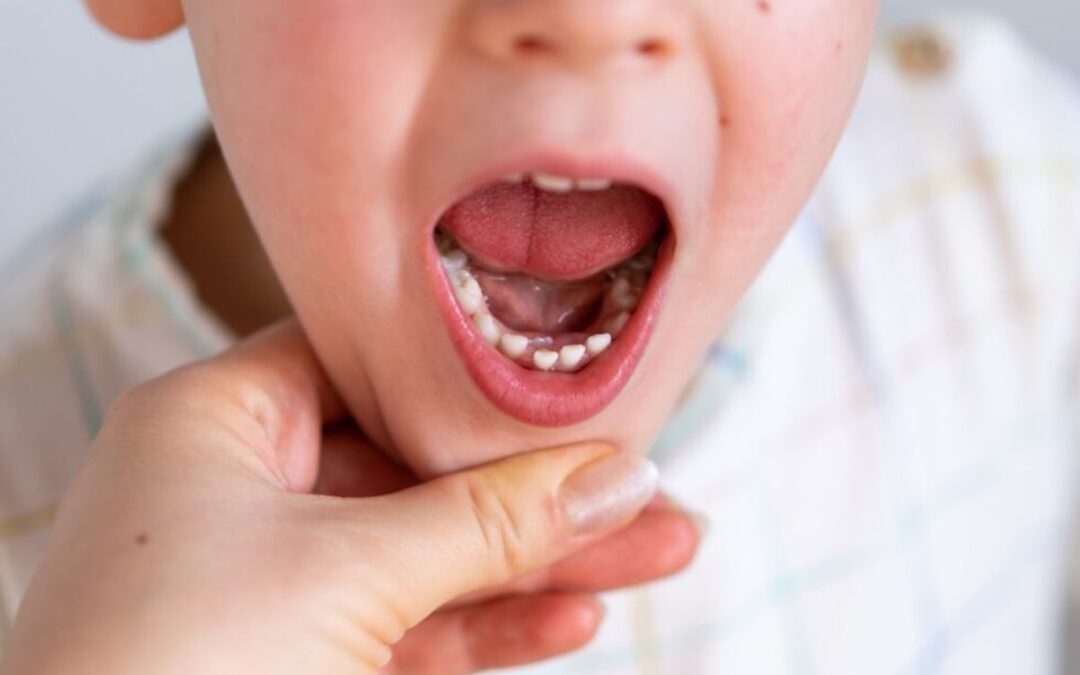
As a parent, noticing two rows of teeth in your child’s mouth can be alarming. Commonly known as “shark teeth,” this condition occurs when adult teeth begin to erupt behind the baby teeth before they have fallen out. While it may look concerning, it’s actually a fairly common occurrence in children, especially between the ages of 5 and 7.
In this blog, we’ll explore what shark teeth are, why they happen, and what steps you should take if you see them in your child’s mouth.
What Are Shark Teeth?
Shark teeth refer to a situation where a child’s permanent teeth begin to emerge while the primary (baby) teeth are still in place. This creates a double row of teeth—much like a shark. It usually occurs in the lower front teeth (the incisors) but can also affect the upper teeth.
This condition typically appears when the baby tooth’s root fails to dissolve in time, preventing it from falling out naturally. As a result, the permanent tooth grows in behind or in front of it.
Is It a Cause for Concern?
In most cases, shark teeth resolve on their own. The baby tooth may eventually loosen and fall out as the permanent tooth continues to push through. However, sometimes the primary tooth remains firmly in place and may require intervention from a dentist.
Watch for signs like:
- The baby tooth is not becoming loose
- Difficulty chewing or discomfort
- Crowding or misalignment in the new teeth
If these signs are present or if the double row persists for more than a few weeks, it’s best to consult your child’s dentist.
What Should Parents Do?
Here’s how you can help your child if you notice shark teeth:
-
Encourage Wiggling
Help your child gently wiggle the baby tooth to speed up the natural shedding process. Let them use their tongue or clean fingers; avoid forcing it.
-
Keep Up With Oral Hygiene
Maintain brushing and flossing routines. Extra teeth in the mouth can trap more food and bacteria, increasing the risk of cavities.
-
Watch and Wait
Give the baby tooth a few weeks to fall out naturally. Most cases resolve without treatment.
-
Visit the Dentist If Needed
If the baby tooth isn’t loosening or your child complains of pain, visit a pediatric dentist for evaluation. In some cases, the tooth may need to be extracted.
When to See a Dentist?
If you’re unsure whether your child’s shark teeth are progressing normally, a quick visit to the dentist can provide peace of mind. A pediatric dentist in Red Bank experienced in treating shark teeth and other childhood dental concerns can assess the situation and recommend the best course of action.
Early intervention can help prevent long-term alignment issues and ensure your child’s smile grows in properly.
Preventing Future Dental Problems
While shark teeth aren’t always preventable, regular dental visits every six months help monitor your child’s tooth development. Pediatric dentists can spot potential problems early and guide parents on when and how to intervene.
Maintaining a balanced diet, avoiding excessive sugary snacks, and teaching proper oral hygiene habits also contribute to long-term dental health.
Final Thoughts
Shark teeth may look scary, but they’re a common and manageable part of childhood dental development. In most cases, patience and a little guidance are all that’s needed. When in doubt, don’t hesitate to consult your child’s dentist for reassurance or treatment options.
Contact Conte Dentistry today to schedule a consultation and make sure your child’s smile is developing the way it should. Our team is here to help every step of the way.