During braces treatment, it’s common for patients to wonder if they can have their braces removed early. While the desire to finish treatment sooner is completely understandable, braces are carefully planned to work over a specific period to achieve the best results. Trying to shorten that timeline can lead to poor outcomes, so it’s important to understand why patience is key in the orthodontic process.
Why Does Brace Treatment Take Time?
Orthodontic treatment isn’t just about straightening your teeth; it’s a carefully planned process that aligns your teeth and jaw for lasting oral health. Your braces apply gentle, constant pressure to slowly move your teeth into their ideal positions. This takes time because your bones, gums, and ligaments need to adapt gradually to avoid complications like tooth instability, root damage, or relapse.
In most cases, your orthodontist gives you an estimated treatment timeline based on the complexity of your case. Factors like age, bone density, spacing, overcrowding, and bite issues all influence how long your braces need to stay on. Sticking to this timeline ensures that your smile looks great and functions properly once treatment is complete.
Can I Ask for My Braces to Be Removed Early?
Yes, you can absolutely ask your orthodontist to remove your braces early—but it’s important to understand the potential consequences of doing so. While there may be situations where early removal is justified (like a medical procedure or major life event), the decision ultimately rests with your orthodontist’s clinical judgment.
Many patients become eager to finish their treatment early, especially if their teeth look straight. However, appearances can be misleading. Even if your front teeth appear aligned, your bite might still be off, or deeper structural corrections might still be in progress. That’s why early removal is usually discouraged unless there’s a compelling reason.
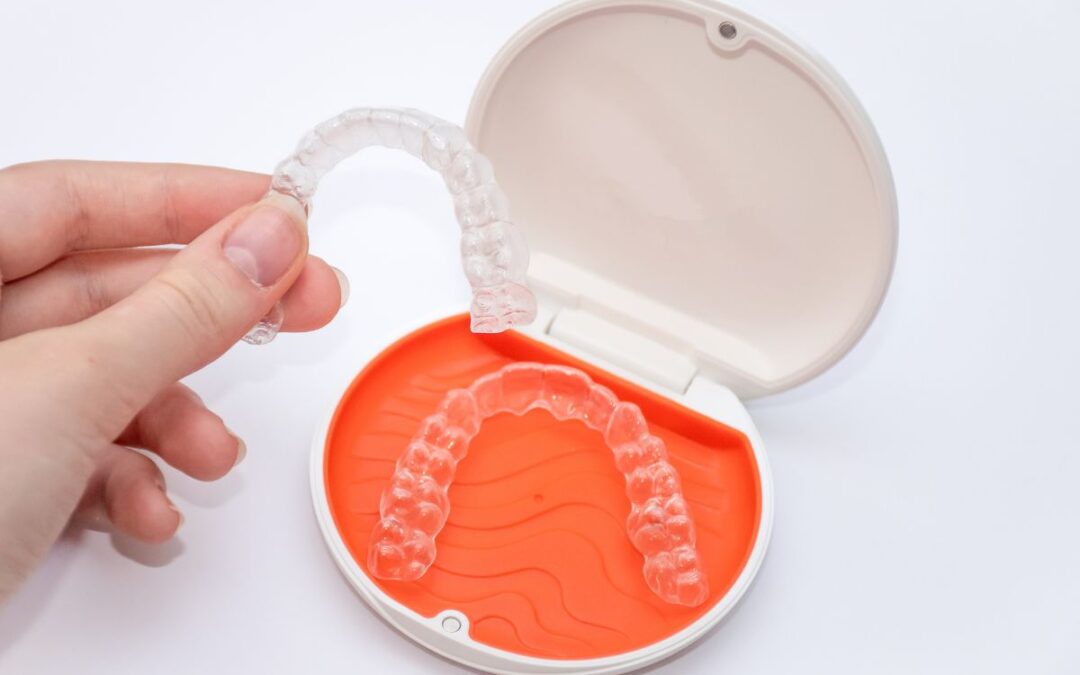
If you’re feeling uncomfortable or frustrated with your treatment, speak up. An open conversation with your orthodontist in Red Bank can help address any concerns, and they might adjust your treatment or offer alternatives like switching to clear aligners in some cases.
The Role of Orthodontic Treatment in Ensuring Success
Orthodontic care isn’t just about short-term appearance; it’s about setting you up for long-term success. Straight teeth are easier to clean, lowering your risk of gum disease and cavities. A balanced bite prevents jaw pain, excessive wear on certain teeth, and speech issues.
Removing your braces before treatment is complete can undo all of that hard work. Your orthodontist follows a strategic plan designed for the safest, most effective outcome. Every bracket, wire adjustment, and appointment plays a role in that success.
Additionally, orthodontists monitor your progress with X-rays and other tools to ensure that changes are happening beneath the surface—not just cosmetically. Their goal isn’t just a straight smile, but a stable and healthy one.
What Happens if Braces Are Removed Too Early?
Taking off your braces early can lead to several problems:
- Teeth shifting back: Without completing the full course, teeth may return to their original positions quickly.
- Bite problems: You could end up with an uneven bite that causes jaw discomfort or even TMJ issues.
- Increased treatment costs later: Early removal may require additional treatment in the future to fix issues that weren’t fully addressed.
- Wasted time and effort: You’ll risk undoing the months or years of progress you’ve already made.
Even if you’re feeling impatient, remember: the final stages of treatment are often the most crucial.
The Best Way to Proceed
Asking to remove your braces early is your right, but your orthodontist’s job is to protect your long-term dental health. Open communication is key. Instead of rushing, ask for a progress update and explore what’s left in your treatment plan. Your orthodontist can explain how far you’ve come and how close you are to the finish line.
Contact us today to speak with an experienced orthodontist who will guide your treatment with honesty, care, and long-term success in mind.