
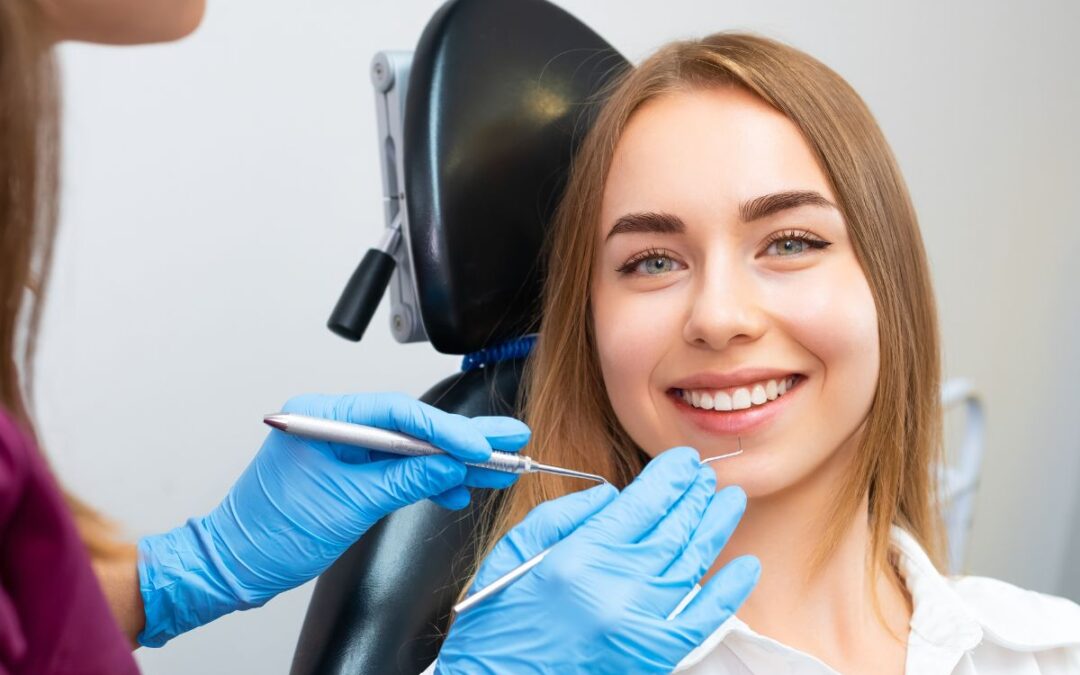
A tooth that looks shorter than the teeth around it can affect more than just your smile’s appearance. Even a small difference in tooth length can change the balance of your smile, especially when it is visible in the front teeth. Many people notice uneven teeth when they smile, speak, or look at photos and wonder if there is a way to create a more balanced appearance.
At Conte Dentistry, Dr. B. Conte helps patients understand the causes of uneven tooth appearance and the options available to improve smile symmetry. Depending on the cause, treatments such as dental bonding, veneers, tooth reshaping, or other cosmetic dental treatments may help restore a more natural-looking smile. Cosmetic dentistry procedures can address concerns like short-looking teeth, worn edges, chips, and uneven tooth proportions while supporting your overall smile goals.
Why Does One Tooth Look Shorter Than the Others?
A single tooth may appear shorter for several reasons. Sometimes the tooth itself is naturally smaller, while other times changes occur due to wear, damage, or gum-related issues.
Common causes of a shorter-looking tooth include:
Natural Tooth Shape Differences
Not all teeth develop with identical sizes and shapes. Some people naturally have one tooth that is slightly shorter or narrower than the surrounding teeth. This difference may become more noticeable when the front teeth are involved.
Tooth Wear Over Time
Daily activities such as chewing, teeth grinding, or clenching can gradually wear down enamel. Over time, this may make certain teeth appear shorter than others.
Chipped or Damaged Teeth
A small fracture or chip can remove part of the tooth structure, creating an uneven edge. Even minor damage can affect the appearance of your smile.
Gum Line Differences
Sometimes the tooth is not actually shorter. Instead, uneven gum tissue can cover more of one tooth, making it appear smaller compared with neighboring teeth.
Previous Dental Treatments
Older restorations, fillings, or dental procedures may affect the shape and proportion of a tooth. A dental evaluation can determine whether the concern involves the tooth structure or the surrounding tissues.
Can Cosmetic Dentistry Fix a Tooth That Looks Too Short?
Yes, cosmetic dentistry can often improve the appearance of a tooth that looks shorter than the surrounding teeth. The right approach depends on factors such as tooth health, enamel condition, bite alignment, and the amount of correction needed.
The goal is not only to make the tooth longer but also to create balance between tooth size, shape, and your natural smile.
Some common solutions for shorter-looking teeth include:
- Dental bonding
- Porcelain veneers
- Tooth reshaping and contouring
- Dental crowns in certain situations
- Gum contouring when gum tissue affects tooth visibility
A consultation with a cosmetic dentist can help determine which option matches your specific needs.
Cosmetic Dentistry Options for Fixing Short Teeth
1. Dental Bonding for Uneven Teeth
Dental bonding is one option for correcting minor differences in tooth length. During this treatment, a tooth-colored composite material is applied to the tooth and shaped to improve its appearance.
Dental bonding may help with:
- Small chips
- Minor uneven edges
- Slightly shorter front teeth
- Small gaps between teeth
- Changes in tooth shape
This approach allows a dentist to add structure to a tooth without creating a major alteration. It is often considered when the correction needed is small.
2. Porcelain Veneers for Tooth Length Correction
Porcelain veneers are thin coverings placed on the front surface of teeth to improve their shape, size, and appearance. They can help patients who want to correct teeth that appear too short, worn, or uneven.
Veneers may be considered when a patient wants to improve several cosmetic concerns at the same time, such as:
- Uneven tooth proportions
- Worn-looking front teeth
- Tooth discoloration
- Minor shape irregularities
A cosmetic dentist evaluates the relationship between your teeth, gums, and smile line before recommending veneers.
3. Tooth Reshaping and Contouring
Tooth reshaping, also called enamel contouring, involves carefully adjusting small areas of enamel to improve tooth symmetry. It is generally used for minor shape concerns rather than major tooth length changes.
This option may help when:
- One tooth has a slightly uneven edge
- Small enamel irregularities affect symmetry
- Teeth have minor shape differences
Because enamel cannot grow back, this treatment requires careful evaluation before proceeding.
How Does a Dentist Decide the Right Treatment?
Before recommending a solution, your dentist will evaluate several factors, including:
Tooth Health
Dental health is usually considered before cosmetic improvements. Cavities, cracks, or other concerns may need to be addressed first.
Amount of Tooth Length Difference
A small adjustment may require a different approach than a significant difference in tooth height.
Bite and Tooth Function
Your bite affects how much pressure your teeth receive. Any cosmetic changes should support both appearance and function.
Smile Proportion
A balanced smile depends on the relationship between your teeth, gums, and facial features.
During your consultation, your cosmetic dentist may discuss different cosmetic dental treatments and explain what results each option may provide.
What Happens During a Cosmetic Dentistry Consultation?
A consultation is the first step toward understanding why a tooth looks shorter and what options may improve your smile.
The process may include:
Smile Evaluation
Your dentist examines your teeth, gums, and overall smile appearance.
Discussion of Your Concerns
You can explain what you notice about your smile and what changes you would like to make.
Treatment Recommendations
Your dentist will review possible options based on your dental condition and cosmetic goals.
Planning Your Smile Improvement
Digital images, dental records, or other evaluation methods may be used to plan your treatment.
If you want to learn which options may work for your smile, you can visit our dental office for a professional evaluation and discuss possible solutions.
How Long Does It Take to Fix a Short-Looking Tooth?
The timeline depends on the treatment selected.
- Dental bonding is often completed in a single appointment.
- Tooth reshaping may require a short visit when only minor adjustments are needed.
- Veneers usually involve multiple steps, including planning, preparation, and placement.
- Gum contouring may vary depending on the amount of tissue being adjusted.
Your dentist can explain the expected timeline after evaluating your smile.
Can a Short Tooth Be Fixed Without Braces?
In many cases, braces or clear aligners are not necessary if the main concern is tooth shape or length. Cosmetic treatments may address the appearance of a shorter tooth when alignment is not the main issue.
However, if uneven teeth are caused by spacing, crowding, or bite problems, orthodontic treatment may be recommended before cosmetic improvements.
Restore Balance to Your Smile With Cosmetic Dentistry
A tooth that looks shorter than the surrounding teeth does not have to affect your confidence. Modern cosmetic dental treatments offer several ways to improve the appearance of uneven teeth while creating a more balanced smile.
Whether your concern comes from natural tooth differences, wear, chips, or gum position, the right treatment begins with understanding the cause. A professional evaluation can help you explore options that match your smile needs.
At our dental practice, you can discuss your concerns and learn how a cosmetic dentistry procedure may help improve the appearance of uneven teeth. Contact us to discover the right approach for creating a more harmonious smile. A cosmetic dentist can guide you through available options and help you take the next step toward your smile goals.