
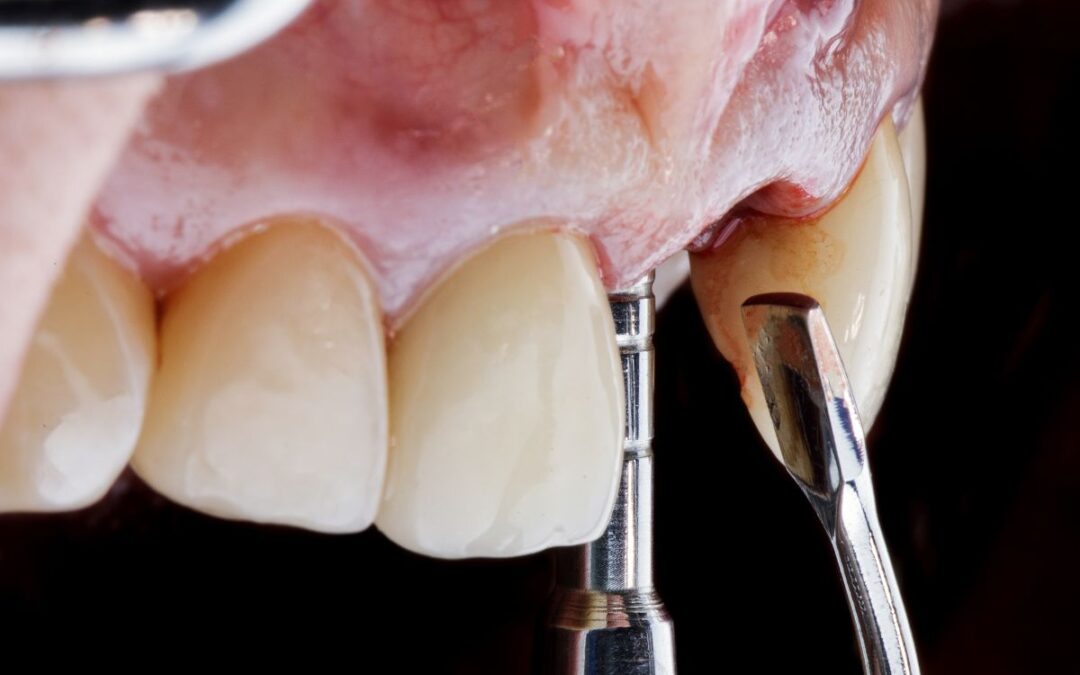
Dental bone loss can sneak up on you over time, often without noticeable symptoms until it becomes a more serious issue. It’s commonly caused by periodontal disease, missing teeth, or poor oral hygiene. If left unaddressed, bone loss can impact your appearance, speech, and ability to chew correctly. Fortunately, there are several ways to slow down or even prevent further bone deterioration.
Understand the Causes of Bone Loss
Before exploring solutions, it’s helpful to understand the most common reasons for bone loss in the jaw:
- Tooth Loss: When a tooth is lost and not replaced, the jawbone no longer receives stimulation from chewing. Over time, this leads to bone shrinkage in that area.
- Gum Disease: Periodontal disease breaks down the supporting structures of the teeth, including the bone.
- Infections or Trauma: Accidents, untreated cavities, and infections can damage bone tissue.
- Poor Oral Hygiene: Without consistent brushing and flossing, bacteria can thrive, causing inflammation and bone degradation.
Daily Habits to Slow Bone Loss
The good news is that incorporating a few key habits can make a big difference in your long-term oral health:
- Maintain Excellent Oral Hygiene: Brush twice a day, floss daily, and use antibacterial mouthwash to reduce harmful bacteria.
- Routine Dental Checkups: Regular cleanings and checkups help detect issues early before they lead to bone loss.
- Healthy Diet: Eat foods rich in calcium and vitamin D to support strong bones. Leafy greens, dairy products, and fatty fish are excellent choices for a healthy diet.
- Avoid Tobacco Use: Smoking impairs blood flow to the gums and reduces your body’s ability to fight infections, increasing the risk of bone loss.
- Treat Teeth Grinding: If you clench or grind your teeth, talk to your dentist about getting a night guard to reduce stress on your jawbone.
Consider Bone-Saving Treatments
Modern dentistry offers several treatments that help preserve bone structure:
- Scaling and Root Planing: This deep-cleaning technique removes plaque and tartar from below the gum line to stop periodontal disease from progressing.
- Bone Grafts: When bone loss has already occurred, grafts can help regenerate bone tissue and create a stable foundation for future restorations.
- Orthodontic Solutions: Correcting misaligned teeth can improve your bite and reduce uneven pressure on the jawbone.
In some cases, patients are already suffering from significant bone loss. If this applies to you, you still have options. One of the most effective solutions is dental implants. If you are in Red Bank, NJ, and looking for a dental implant professional, dental implants in Red Bank are designed to replace missing teeth and stimulate the jawbone like natural teeth, helping to prevent further bone loss. Implants offer long-term stability, function, and a natural appearance, making them an excellent choice for patients facing advanced bone deterioration.
Conclusion
Preventing and slowing dental bone loss requires a proactive approach, which is entirely achievable with proper care and professional support. Whether you’re just starting to notice changes or are already dealing with the effects of bone loss, there are effective treatments available to restore your oral health. At Conte Dentistry, our team is committed to providing personalized care, including advanced solutions like dental implants, to help you maintain a strong, healthy smile for years to come.