
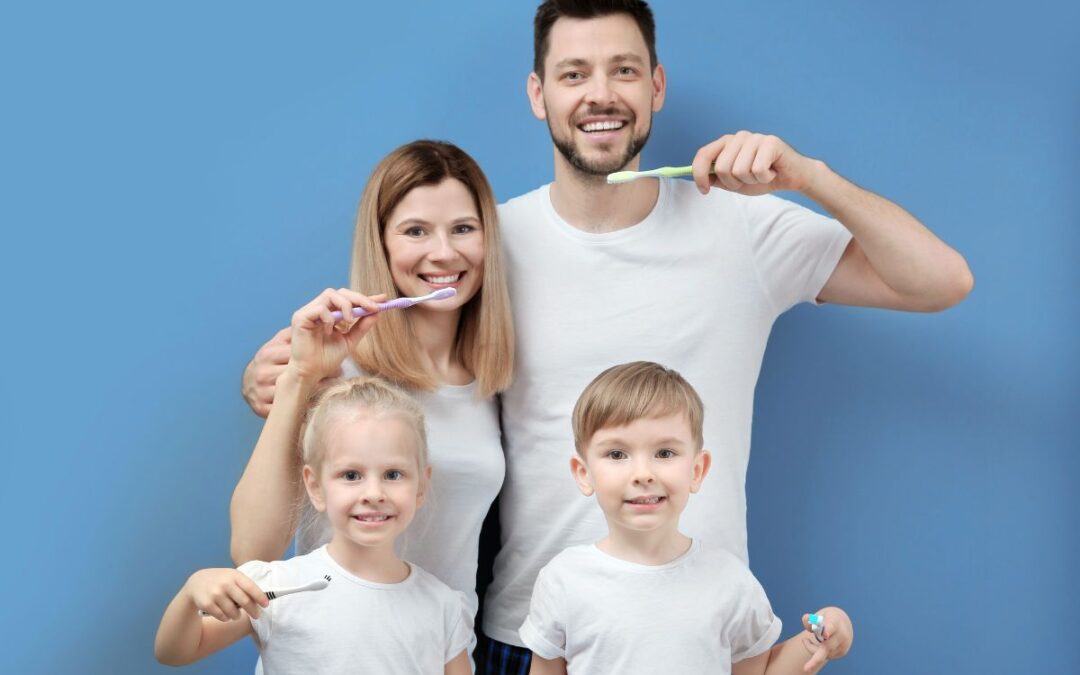
Good dental hygiene starts early. The habits children learn early can shape how they care for their teeth as they grow. As a parent or caregiver, you have an important role in helping your child understand why brushing, flossing, healthy eating, and regular dental visits matter.
The good news is that teaching dental hygiene does not have to feel like a daily battle. With simple routines, age-appropriate explanations, and a little creativity, you can make taking care of their teeth a normal and even enjoyable part of the day.
Start Dental Care Early
You don’t have to wait until your child has a full set of teeth to introduce dental hygiene. In fact, it is helpful to begin caring for their mouth as soon as the first tooth appears.
For babies, you can gently clean the first teeth with a soft, damp cloth or a small, soft-bristled toothbrush. Once your child uses fluoride toothpaste, use an amount appropriate for their age. Children younger than 3 should use a smear about the size of a grain of rice, while children ages 3 to 6 can use a pea-sized amount.
At first, your child will need your help with brushing. As they become more independent, you can let them take the lead while continuing to supervise and help them reach areas they may miss.
Starting early helps brushing become part of their everyday routine, rather than something they have to learn later.
Make Brushing Fun
Children are often more willing to participate in activities when they feel it is fun rather than forced. You can turn brushing into a simple game or activity that your child looks forward to.
Try some of these ideas:
- Let Them Choose a Toothbrush: Allow your child to pick a toothbrush with a favorite color, character, or design. Having a toothbrush they like can make the routine more exciting.
- Use a Two-Minute Timer: Encourage your child to brush for about two minutes. You can use a timer, brushing app, or even a favorite song that lasts around two minutes.
- Create a Brushing Chart: A simple chart can help younger children see their progress. Stickers or other small rewards can make consistent brushing feel like an accomplishment.
- Brush Together: Brushing your teeth at the same time shows your child that everyone should practice dental hygiene.
- Let Them Take Turns: Let your child brush on their own first, then finish brushing for them to make sure their teeth are cleaned thoroughly.
The goal is to make brushing a predictable part of the day while giving your child some control over the routine.
Explain Why Dental Hygiene Matters
Simply telling a child to brush their teeth may not help them understand why the habit is important. Instead, explain dental hygiene in terms they can easily understand.
You can tell them that food and drinks can leave behind particles on their teeth and that bacteria in the mouth can use those particles to create plaque. If plaque is not removed regularly, it can contribute to cavities and gum problems.
You can also explain flossing simply. Brushing cleans the surfaces of the teeth, while floss helps clean between them where a toothbrush cannot easily reach.
Keep the explanation positive and age-appropriate. You do not need to frighten your child with stories about painful dental problems. Focus on helping them understand that caring for their teeth keeps their mouth clean, comfortable, and healthy.
Books, videos, and simple demonstrations can also make these concepts easier for younger children to understand.
Help Your Child Feel Comfortable With Dental Visits
Regular dental visits are an important part of your child’s oral health routine. A dentist can monitor how your child’s teeth and jaws are developing, look for early signs of problems, and provide guidance based on their age and individual needs.
Choosing a practice that focuses on kid-friendly dentistry can be especially helpful if your child feels nervous about dental appointments. A welcoming environment and a calm, patient approach can help children become more comfortable with dental care over time.
Regular visits can provide several benefits, including:
- Early Detection: Routine examinations can help identify cavities, changes in tooth development, bite concerns, or other issues before they become more complicated.
- Professional Cleanings: A dental cleaning can remove plaque and buildup that regular brushing may not completely eliminate.
- Oral Hygiene Guidance: Your dentist can show you and your child proper brushing and flossing techniques and answer questions about their daily routine.
- Positive Dental Experiences: Familiarity with the dental office can help reduce fear and make future appointments feel more routine.
If your child has dental anxiety, let the dental team know before the appointment. Knowing your child’s concerns helps the team approach the visit in a way that feels more comfortable for them.
Teach Healthy Eating Habits
Dental hygiene is not only about brushing and flossing. What your child eats and drinks can also affect their teeth.
Frequent exposure to sugary foods and drinks can increase the risk of cavities. You don’t have to eliminate every sweet treat from your child’s diet, but it helps to encourage balanced meals and limit frequent snacking on sugary foods.
Water is a great everyday beverage, while fruits, vegetables, dairy products, and other nutritious foods can be part of a balanced diet.
You can also teach your child to rinse their mouth with water after eating when brushing is not immediately possible. Small habits like these can help support good oral health throughout the day.
Teach Your Child How to Brush Properly
Young children often need help with brushing because they may not have the coordination or attention span to clean every surface effectively.
Show your child how to gently brush the front, back, and chewing surfaces of their teeth. Encourage gentle movements rather than aggressive scrubbing.
As they get older, continue checking their brushing technique. Even children who can brush independently may rush through the process or overlook certain areas.
You should also teach your child to clean their tongue gently as part of their regular oral hygiene routine.
Introduce flossing when your child’s teeth begin touching each other. Since young children may have difficulty flossing on their own, parents may need to help until they have the coordination to do it effectively.
Lead by Example
Children often learn more from what they see than what they are told.
If your child sees you brushing your teeth every morning and night, flossing regularly, and visiting the dentist, they are more likely to view these behaviors as normal parts of everyday life.
Try brushing your teeth together whenever possible. You can also talk casually about why you take care of your teeth instead of presenting dental hygiene as a chore that only children have to do.
Your attitude matters, too. If you speak positively about dental visits and taking care of your teeth, your child may be less likely to develop unnecessary fear around dental care.
Be Patient as Your Child Learns
Developing good dental habits takes time. Some children will cooperate easily, while others may resist brushing, forget to floss, or become frustrated with the routine.
Try to stay consistent without turning every brushing session into an argument. Remind your child why the habit matters, offer choices when possible, and celebrate their progress.
For example, you might let them choose whether to brush before or after putting on pajamas. Giving them small choices can help them feel involved while keeping the routine in place.
If your child continues to struggle with brushing or dental visits, talk with your dentist. You may be able to find strategies that work better for your child’s age, personality, and needs.
Build Healthy Habits That Last
Teaching children about dental hygiene is about more than preventing cavities. It is about helping them develop habits and an understanding of oral health that they can carry into adulthood.
Start early, make brushing enjoyable, explain why dental care matters, encourage healthy food and drink choices, and keep up with regular dental visits. Most importantly, be patient and consistent as your child learns.
If you are in Red Bank, NJ, or a nearby area, Conte Dentistry can help your family establish a strong foundation for lifelong oral health. Regular dental care, proper home hygiene, and guidance that fits your child’s needs can make caring for their teeth feel much more manageable.
The habits you help your child build today can make a lasting difference in their oral health for years to come.