
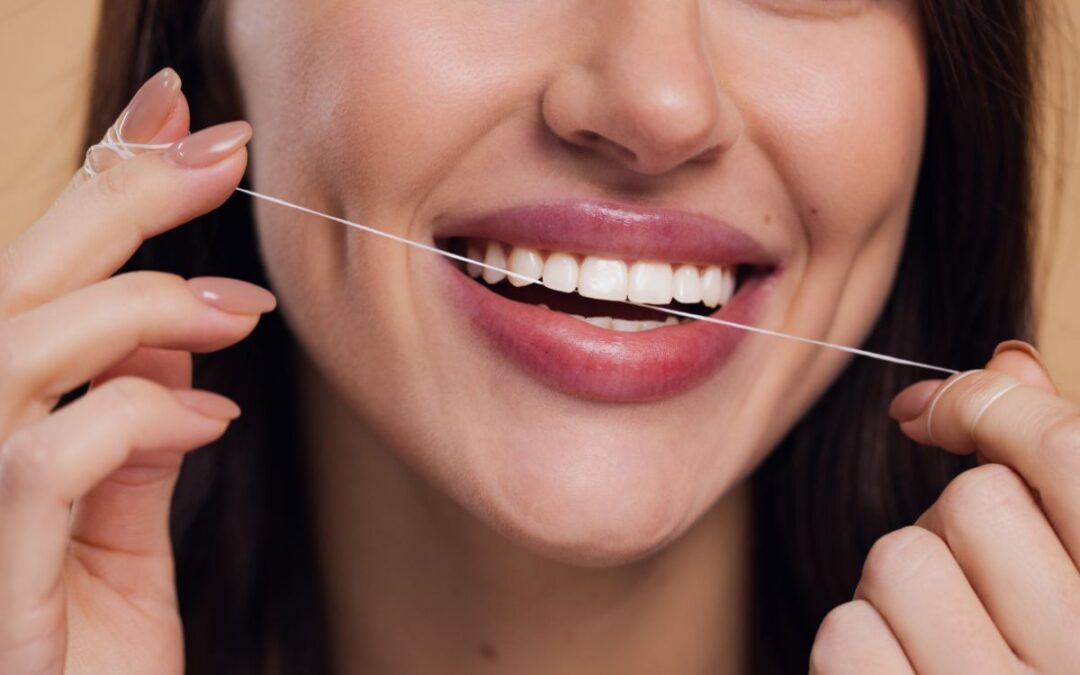
You brush your teeth every day, maybe even twice—but are you doing enough to truly protect your smile? Many people are surprised to learn that brushing alone isn’t enough. Flossing plays a key role in maintaining strong teeth and healthy gums, making it an essential part of your daily oral health care routine.
If flossing feels confusing, uncomfortable, or easy to skip, you’re not alone. The good news is that with the right technique and a little consistency, it can become a simple habit that makes a big difference. Let’s walk through everything you need to know to floss properly and keep your smile in great shape.
What Happens When You Skip Flossing?
Your toothbrush does a great job cleaning the surfaces of your teeth, but it can’t reach the tight spaces between them. When you skip flossing, food particles and plaque build up in those areas.
Over time, this can lead to:
- Tooth decay between teeth
- Gum irritation or bleeding
- Persistent bad breath
Flossing helps remove what your toothbrush leaves behind, keeping your mouth cleaner and healthier overall.
The Benefits of Flossing Every Day
Adding flossing to your daily routine may seem like a small step, but it offers big benefits:
- Removes plaque from hard-to-reach areas
- Helps prevent gum problems
- Reduces the risk of cavities
- Keeps your breath fresh
- Supports long-term oral health
It’s one of the easiest ways to protect your smile at home.
Choosing the Right Floss for You
Not all floss is the same, and finding the right type can make the process easier and more comfortable.
Some common options include:
- Waxed floss: Slides easily between tight teeth
- Unwaxed floss: Thinner and fits into smaller spaces
- Dental tape: Wider and gentler on gums
- Floss picks: Convenient for on-the-go use
- Water flossers: A good option for sensitive gums
If you’re unsure which one works best for you, it’s always okay to ask for guidance.
How to Floss Your Teeth Properly: Step-by-Step
Flossing the right way is just as important as doing it regularly. Follow these simple steps:
- Start with enough floss: Use about 18 inches and wrap most of it around your middle fingers.
- Hold it correctly: Keep a small section (about 1–2 inches) tight between your fingers.
- Gently guide it between your teeth: Slide the floss carefully—don’t snap it into your gums.
- Make a C-shape: Curve the floss around one tooth and move it up and down.
- Go below the gumline: Gently clean just under the gum edge.
- Use a fresh section each time: Move to a clean part of the floss for every tooth.
Take your time—it’s about doing it well, not rushing through it.
Common Flossing Mistakes to Avoid
Even if you floss regularly, small mistakes can reduce its effectiveness:
- Flossing too quickly
- Skipping back teeth
- Snapping floss into your gums
- Using the same section of floss repeatedly
Being mindful of these habits can help you get better results.
How Often Should You Floss?
Most dental professionals recommend flossing once a day. The best time is usually before brushing at night, so you remove debris before cleaning your teeth.
Consistency matters more than timing. Pick a routine that works for you and stick with it.
Flossing Tips for Beginners or Sensitive Gums
If flossing feels uncomfortable at first, that’s completely normal. Here are a few tips to make it easier:
- Start gently and go slowly
- Try softer floss or a water flosser
- Expect slight bleeding in the beginning—it usually improves
- Stay consistent to help your gums adjust
If discomfort continues, it may be time to seek professional advice.
Need Help with Your Flossing Routine?
If you’re unsure whether you’re flossing correctly or want personalized tips, don’t hesitate to contact us. A quick visit can help you build better habits and protect your smile more effectively.
When Should You See a Dental Professional?
Flossing is important, but it doesn’t replace professional care. You should schedule a visit if you notice:
- Bleeding that doesn’t improve
- Swollen or painful gums
- Persistent bad breath
- Loose or sensitive teeth
Early care can prevent small problems from becoming bigger concerns.
Support Your Oral Health with Professional Dental Care
Taking care of your teeth doesn’t have to be complicated. With the right flossing technique and consistent habits, you can protect your smile and avoid many common dental problems. If you’re looking to improve your routine or want guidance from a trusted dentist in Red Bank, NJ who can help you build better long-term oral health care habits, professional support can make all the difference.
At Conte Dentistry, we’re here to guide you every step of the way with simple, practical care. Call us at 732-758-0414 and take the next step toward a healthier, more confident smile.
FAQs
1. Is it okay to floss more than once a day?
Yes, flossing more than once is generally safe if done gently. However, once a day is enough for most people.
2. Can children floss on their own?
Young children may need help at first. As they grow, they can learn proper techniques and floss independently.
3. What should I do if food always gets stuck between the same teeth?
This could be due to tight spacing or alignment. It’s best to have it checked to prevent future issues.
4. Are eco-friendly floss options effective?
Yes, many eco-friendly floss options work just as well as traditional ones if used correctly.
5. Does flossing help with teeth whitening?
Flossing doesn’t whiten teeth directly, but it helps remove plaque and stains between teeth, improving overall appearance.