
The teenage years are an important time for orthodontic care. By this stage, most permanent teeth have already come in, making it possible to address concerns such as crooked teeth, gaps, crowding, and bite problems. However, many teens are hesitant about traditional braces because of their noticeable wires and brackets.
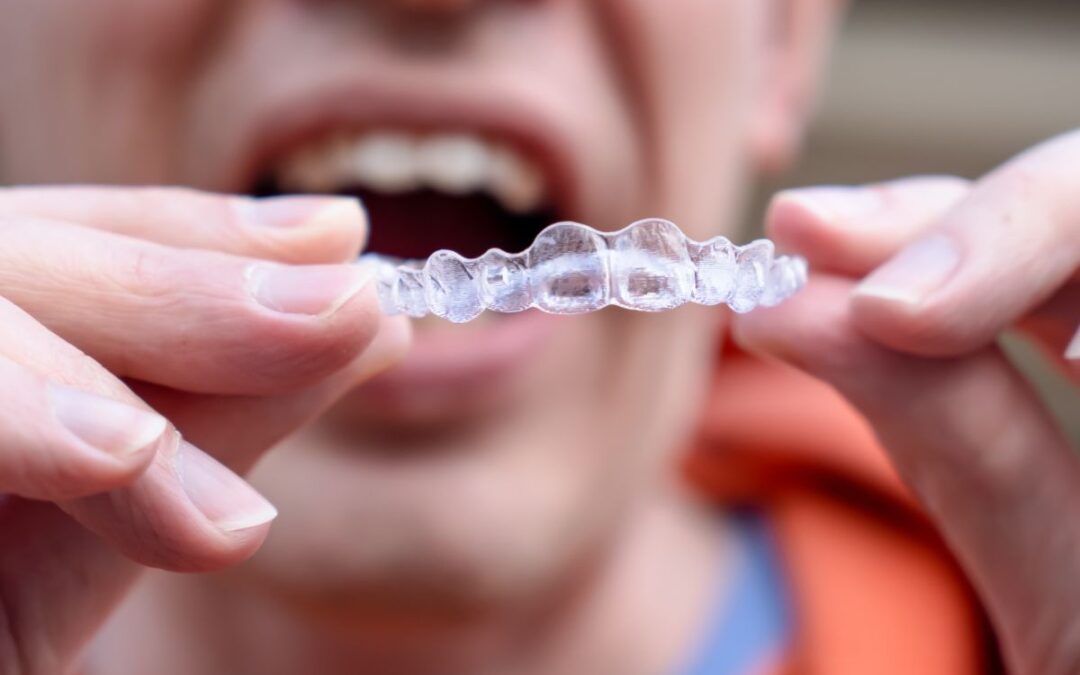
Fortunately, traditional braces are not the only option. Invisalign® uses a series of clear, removable aligners to gradually move the teeth into better positions. For teens who want a more discreet approach to orthodontic care, Invisalign treatment can provide an effective way to improve tooth alignment without the appearance of conventional braces.
What Can Invisalign Treat in Teens?
Invisalign may be used to address several common orthodontic concerns. Depending on your teen’s individual needs, treatment may help with:
- Crowded or overlapping teeth
- Gaps between teeth
- Crooked teeth
- Overbites
- Underbites
- Crossbites
- Open bites
- Certain deep bite concerns
Not every orthodontic problem is suitable for Invisalign, so an evaluation is important. The complexity of the case, tooth position, bite, and your teen’s ability to follow the treatment instructions all play a role in determining whether clear aligners are appropriate.
Why Do Teens Like Invisalign?
One of the biggest advantages of Invisalign for teenagers is that the aligners are much less noticeable than traditional braces. This can be especially appealing during school, social activities, sports, and other everyday situations.
Nearly Invisible
The clear aligners are designed to fit closely over the teeth, making them difficult for others to notice. Teens can continue their normal routines without feeling like their orthodontic treatment is the first thing people see.
Removable
Unlike traditional braces, Invisalign aligners can be removed when necessary. This allows teens to take them out while eating, brushing, and flossing.
They can also be removed for certain activities, such as playing sports, as long as they are worn as directed afterward.
Easier Oral Hygiene
Cleaning around traditional brackets and wires can sometimes be challenging. Since Invisalign aligners are removable, teens can brush and floss their teeth normally without having to work around orthodontic hardware.
Good oral hygiene remains important throughout treatment because food particles and plaque can still contribute to cavities and gum problems.
No Food Restrictions
Traditional braces can require patients to avoid certain hard, sticky, or chewy foods that could damage brackets or wires. With Invisalign, the aligners are removed before eating, allowing teens to enjoy a normal range of foods while following good dental hygiene habits.
Comfortable Design
Invisalign aligners are made from smooth material and are custom-designed for the patient’s teeth. While some pressure or mild discomfort can occur when starting a new set of aligners, many teens find the experience manageable.
How Long Does Invisalign Treatment Take?
The length of treatment varies from one teen to another. Some cases may be completed relatively quickly, while more complex alignment or bite concerns may require additional time.
Your teen’s treatment plan depends on factors such as the amount of tooth movement needed, the complexity of the bite, and how consistently the aligners are worn.
For Invisalign to work as planned, teens generally need to wear their aligners for about 20 to 22 hours per day, removing them primarily for eating, drinking anything other than water, brushing, and flossing.
Following the recommended wear schedule is one of the most important parts of successful treatment.
What Happens During Invisalign Treatment?
The process usually begins with an orthodontic evaluation. Your teen’s teeth and bite are examined to determine whether clear aligners are a suitable option.
If Invisalign is recommended, digital scans or other records can be used to create a personalized treatment plan. The aligners are then made according to the planned tooth movements.
Your teen will wear each set of aligners for the recommended amount of time before progressing to the next set. Regular checkups allow the dentist or orthodontic provider to monitor progress and make sure treatment is moving in the right direction.
Is Invisalign Right for Every Teen?
Invisalign can be a great option for many teenagers, but it requires responsibility. Because the aligners are removable, teens need to remember to put them back in after eating or brushing.
A teen who frequently forgets to wear the aligners or does not follow the recommended schedule may not achieve the expected results as efficiently.
During an evaluation, the dental provider can consider your teen’s orthodontic needs, oral health, lifestyle, and ability to follow the treatment plan before recommending Invisalign.
Helping Your Teen Stay on Track
Parents can play an important role in helping teens stay consistent with their treatment. Simple habits can make wearing aligners easier.
Encourage your teen to keep their aligner case with them so they have a safe place to store the aligners when eating. Remind them to clean their teeth before putting the aligners back in whenever possible, and make sure they understand why wearing them for the recommended amount of time matters.
Keeping track of aligners and following the treatment schedule can also help prevent unnecessary delays.
Start the Conversation About Invisalign
For teens who want straighter teeth without the noticeable look of traditional braces, Invisalign offers a discreet, convenient orthodontic option. Its removable design also makes eating, brushing, and flossing easier during treatment.
The best way to find out whether your teen is a good candidate is to have a dental professional evaluate their teeth and bite. With the right treatment plan and consistent wear, Invisalign treatment can help gradually improve tooth alignment and bite function.
If you are in Red Bank, NJ, or the surrounding areas, Conte Dentistry can help you explore whether Invisalign is the right option for your teen. Our team can evaluate your teen’s orthodontic needs and explain what to expect from treatment so you can make an informed decision about their dental care.