
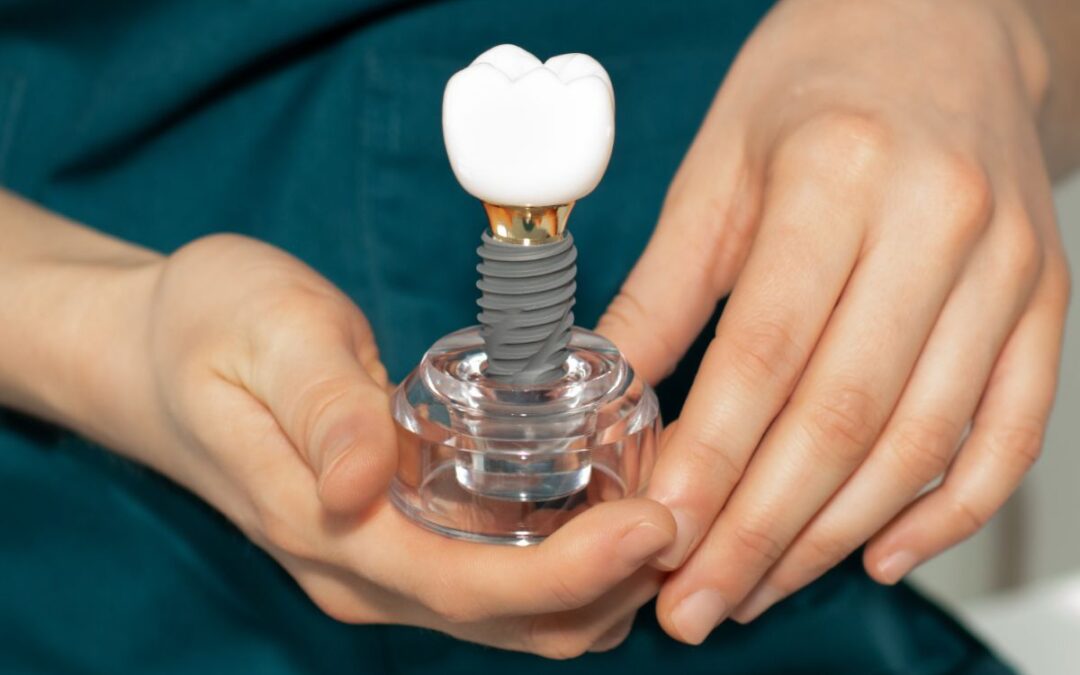
If you have a badly damaged or infected tooth that may need to be replaced, you may already be wondering about your options. Dental implants can provide a long-term way to replace a missing tooth, but what happens if the tooth is still infected? Can you have a dental implant procedure right away, or does the infection need to be treated first?
In most cases, an active tooth infection needs to be addressed before an implant is placed. However, having an infected tooth does not necessarily mean you cannot get dental implants in the future. The timing and treatment plan depend on the condition of the tooth, gums, and bone supporting it.
Can You Get a Dental Implant While Your Tooth Is Infected?
Generally, a dental implant is not placed directly into an area with an active, untreated infection.
An infection can affect the tissues and bone around a tooth. Since a dental implant needs healthy surrounding tissue and adequate bone support, placing it while an infection is still active may interfere with healing.
That does not mean the infection prevents you from getting an implant altogether. Instead, your dentist will first determine what is causing the infection and whether the natural tooth can be saved.
Depending on the situation, treatment may involve saving the tooth, treating the infection, or removing the tooth and allowing the area to heal before moving forward with an implant.
Why Does the Infection Need to Be Treated First?
A dental implant is designed to become firmly supported by the jawbone. For this to happen, the tissues around the implant need to be in good condition.
An untreated infection can make this more difficult. It may cause inflammation, damage the bone around the tooth, and affect the surrounding gums. If the infection spreads or remains untreated, it can also cause additional oral health problems.
Treating the infection first allows the dentist to address the underlying problem before planning tooth replacement.
Think of it as preparing the area before rebuilding it. The goal is to create conditions where the implant has the best possible opportunity to heal properly.
What Happens If the Infected Tooth Cannot Be Saved?
Not every infected tooth needs to be removed. Depending on the cause and extent of the infection, treatment such as a root canal may allow the natural tooth to remain.
If the tooth is too damaged to save, however, extraction may be recommended.
After the tooth is removed, your dentist will evaluate the area to determine how it is healing and whether there is enough healthy bone for an implant. Sometimes the infection or the loss of the tooth can leave the jawbone thinner than necessary for implant placement.
In those cases, a bone graft may be recommended. A bone graft adds material to the area so that the jaw can develop enough support for a future implant. Not everyone who loses an infected tooth will need one, so an evaluation is important.
How Long After an Infection Can You Get a Dental Implant?
There is no standard waiting period that applies to everyone.
Some people may be able to move forward relatively soon after the infection has been treated and the tooth has been removed. Others may need additional healing time, particularly if the infection was severe, there was significant bone loss, or a bone graft was necessary.
Your dentist will consider several factors, including:
- How severe the infection was
- Whether the tooth needed to be extracted
- The condition of the surrounding bone
- The health of your gums
- Whether a bone graft is necessary
- How well the area heals after treatment
Because these factors vary from person to person, your dentist will determine when the area is ready for implant treatment rather than relying on a fixed timeline.
Can an Implant Be Placed at the Same Time as Tooth Removal?
In some situations, an implant can be placed during the same appointment as a tooth extraction. This is sometimes called immediate implant placement.
However, it is not suitable for every patient or every infected tooth.
The dentist must consider the extent of the infection, the condition of the surrounding bone, and whether the implant can be placed securely. If the infection has significantly affected the area or there are other concerns, it may be safer to remove the tooth first and allow the area to heal.
This is why an immediate implant should not be assumed to be the right option simply because the tooth needs to be removed. Your dentist will evaluate the area and determine which approach makes sense for your situation.
What Should You Do Before Getting Dental Implants?
If you have an infected tooth and are considering an implant, the first step is to have the tooth evaluated.
Your dentist may examine the tooth and surrounding tissues and use dental imaging to look at the roots and jawbone. This helps determine whether the natural tooth can be treated or whether removal is necessary.
If extraction is recommended, your dentist can then assess the area after the tooth is removed. Depending on the condition of the bone and gums, the next step could involve allowing the area to heal, preparing the bone, or planning for implant placement.
The important thing is not to ignore the infection while waiting to replace the tooth. Tooth infections generally require professional treatment and can become more serious if left untreated.
What If You Have an Infected Tooth but Want Dental Implants?
Having an infected tooth does not automatically rule out dental implants. It simply means that treating the infection needs to be part of the overall treatment plan.
The process may look something like this:
1. Have the tooth examined.
Your dentist determines the cause and extent of the infection.
2. Find out whether the tooth can be saved.
If possible, treatment may be recommended to preserve the natural tooth.
3. Remove the tooth if necessary.
If the tooth cannot be restored, extraction may be the next step.
4. Allow the area to heal when needed.
The amount of healing time depends on the condition of the tooth, bone, and surrounding tissues.
5. Check the bone and gums.
Your dentist determines whether the area has enough support for an implant.
6. Plan the implant treatment.
Once the area is ready, your dentist can determine the appropriate approach for replacing the missing tooth.
This step-by-step approach helps ensure that the infection is addressed before moving on to tooth replacement.
How Conte Dentistry Can Help With Your Dental Implant Needs
At Conte Dentistry, patients in Red Bank, NJ, can receive an evaluation to determine the appropriate next step when an infected or damaged tooth may eventually need replacement. The focus is on understanding the condition of the tooth and surrounding structures before deciding whether tooth preservation, extraction, healing, or implant treatment is appropriate. Contact us to discuss your dental concerns and learn what treatment options may be suitable for your situation.
Getting Your Tooth Replacement Journey Back on Track
An infected tooth does not necessarily mean you cannot get a dental implant. In most cases, the infection needs to be properly evaluated and treated before implant placement can be considered. Depending on the condition of the tooth and surrounding bone, you may need treatment for the infection, an extraction, a period of healing, or additional preparation before moving forward.
If you are considering dental implants after dealing with an infected or damaged tooth, getting an evaluation is the best way to understand your options. At our dental office, we can help you determine the appropriate next steps based on the condition of your tooth and oral health. Visit our dental office to learn more about your tooth replacement options.
Frequently Asked Questions
Can I get a dental implant if I have an infected tooth?
Usually, an active infection needs to be treated before an implant is placed. Your dentist will determine whether the tooth can be saved or needs to be removed first.
How long should I wait after a tooth infection before getting an implant?
The timing varies depending on the severity of the infection, healing, bone condition, and whether additional treatment is needed. Your dentist will determine when the area is ready.
Does an infected tooth always need to be extracted before a dental implant?
No. Some infected teeth can be treated and saved. If the tooth cannot be restored, extraction may be necessary before implant treatment.
Can a dental implant be placed on the same day as tooth extraction?
Sometimes. Immediate implant placement may be possible when the infection, bone, and surrounding tissues are suitable. It is not appropriate in every case.
What happens if I have bone loss after a tooth infection?
If there is not enough bone to support an implant, a bone graft may be recommended. The area may then need time to heal before implant placement.