
If you’ve been told you have bone loss in your jaw, your first thought might be that dental implants are off the table for good. That’s a concern we hear often, and honestly, it’s one of the most common reasons people put off looking into tooth replacement altogether. But here’s what many patients don’t realize: bone loss doesn’t automatically mean you can’t get implants. In many cases, it simply means there are a few extra steps involved.
At Conte Dentistry, we see patients every day who come in convinced they’re not a candidate for dental implant treatment, only to find out they have more options than they thought. So before you talk yourself out of pursuing a healthier, more complete smile, let’s walk through what bone loss actually means for implants and what can be done about it.
Why Does Bone Loss Happen in the First Place?
Your jawbone stays strong because of the pressure and stimulation it receives from your tooth roots every time you chew, bite, or speak. When a tooth is lost, whether through decay, gum disease, injury, or an extraction, that stimulation stops in the area where the root used to be. Over time, the bone in that spot begins to shrink.
This process is called resorption, and it can start surprisingly quickly. Research suggests that noticeable bone loss can begin within just the first year after a tooth is lost. The longer a tooth has been missing, the more bone volume may be reduced in that area.
Other contributing factors include:
- Gum disease (periodontitis): Advanced gum disease is one of the leading causes of bone loss around natural teeth.
- Dentures worn for many years: Traditional dentures sit on top of the gums and don’t replace the tooth root, so the bone beneath them continues to shrink over time.
- Trauma or infection: A severe dental infection or jaw injury can also damage surrounding bone.
Understanding why the bone loss happened is part of how our implant dentist Dr. Conte determines the best path forward for each individual patient.
How Much Bone Do You Actually Need for an Implant?
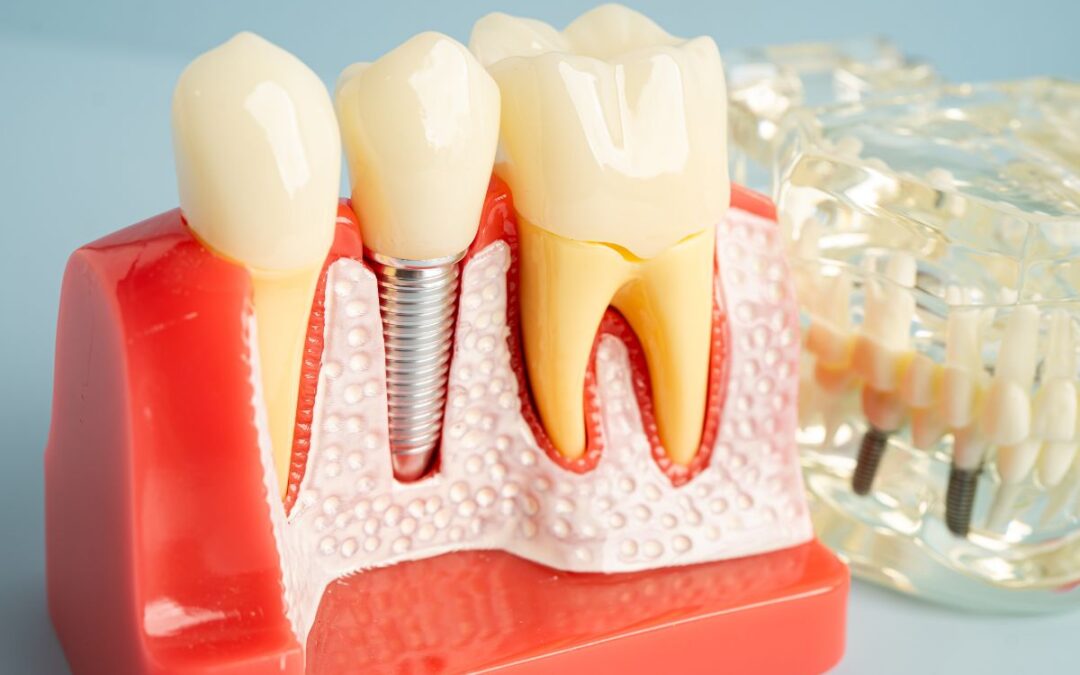
This is one of the first questions Dr. Conte addresses during an implant evaluation. Dental implants are titanium posts that are surgically placed directly into the jawbone, where they fuse with the surrounding bone over several months. For that process to work, there needs to be a certain amount of healthy bone in both height and width to hold the implant securely.
The specific amount required depends on several factors, including where in your mouth the implant is going, the size of the implant being used, and your overall oral health. There’s no universal number that applies to everyone. That’s why a thorough examination including digital X-rays and, often, a 3D cone beam CT scan is so important before any decisions are made.
Some patients who come in worried about their bone levels turn out to have more than enough. Others do have significant loss, but even then, that doesn’t always mean the process ends there.
What Is Bone Grafting, and Can It Make You a Candidate?
If the imaging reveals that there isn’t quite enough bone to place an implant successfully, bone grafting is the most common solution. Despite how it sounds, it’s a fairly routine procedure in implant dentistry, and it opens the door for many patients who would otherwise be considered poor candidates.
A bone graft essentially adds volume back to the area where bone has been lost. The graft material, which can come from your own body, a donor source, or a synthetic option, is placed in the targeted area and, over time, stimulates your body to produce new bone tissue. Once that new bone has fully integrated, typically over several months, it can provide a stable foundation for an implant.
The recovery from a bone graft is manageable for most patients. There’s some swelling and discomfort in the days following the procedure, but it’s typically well-controlled with standard post-operative care. Our implant dentist will walk you through exactly what to expect and how to take care of the area during healing.
Other Paths Forward When Bone Is Limited
Bone grafting is the most common route, but it isn’t the only option. Depending on the extent of bone loss and the location in the jaw, there are other approaches worth discussing.
Bone grafting is one of the most common ways to rebuild bone before dental implant placement, but it isn’t always the only option. Depending on the amount of bone available and the location of the missing tooth, your dentist may recommend a different approach.
Sinus Lift: When bone loss has occurred in the upper back jaw near the sinus cavity, a sinus lift may be recommended. This procedure gently raises the sinus membrane and places bone graft material beneath it, creating additional support for a future dental implant.
Treatment Planning Based on Bone Availability: In some cases, advanced imaging may show that there is enough healthy bone in another area to support implant placement without extensive grafting. Every patient’s anatomy is unique, so treatment recommendations are based on the quality and quantity of available bone.
At our dental office, we take a personalized approach to every dental implant case. We carefully evaluate your oral health, review your diagnostic images, and discuss the treatment options that best fit your needs, helping you understand what to expect before moving forward with your care.
The Longer You Wait, the More Bone You Lose
One thing worth saying plainly: bone loss in the jaw is progressive. If a tooth has been missing for a while and you’ve been on the fence about replacing it, the window for the most straightforward implant placement may be narrowing. That doesn’t mean it’s too late; it just means getting evaluated sooner rather than later gives you more options to work with.
Patients who come in early after a tooth loss often have the simplest path to implants. Those who wait several years may need additional procedures first. Either way, the conversation is worth having. Choosing to replace missing teeth with dental implants sooner can actually help preserve the remaining bone around neighboring teeth and support the overall structure of your jaw.
What Happens During an Implant Consultation?
If you’re curious about whether you’re a candidate with or without bone loss, the consultation is where it all begins. Here’s generally what to expect:
Comprehensive Examination: Our dentist will examine your teeth, gums, and the overall health of your mouth. Any signs of active gum disease or infection will need to be addressed before implant planning begins.
Digital Imaging: Standard X-rays give a two-dimensional view, but 3D cone beam imaging provides a much more detailed picture of your bone structure, including its height, width, and density in the implant area.
Medical History Review: Certain conditions like uncontrolled diabetes or a history of radiation therapy to the jaw can affect healing and will be factored into the evaluation.
Treatment Planning: Once the information is gathered, you’ll receive a clear explanation of what’s possible, what steps may be needed, and what the timeline would look like. No surprises, no pressure just a straightforward picture of where you stand.
Giving You a Reason to Smile Again, Without the Guesswork
Bone loss is a real concern when it comes to implants, but it’s rarely the final word. With advances in grafting techniques, imaging technology, and implant placement methods, more patients than ever are finding their way to a full, functional smile even after significant bone loss.
At our dental practice, we believe that every patient deserves an honest evaluation and a clear understanding of their options. Whether you need a straightforward implant placement or a more involved treatment plan, our dental team is here to guide you through every step with care and transparency. Don’t let uncertainty or a previous “you might not qualify” hold you back from finding out what’s truly possible for your smile. Contact us and take the first step toward finding out whether dental implants are right for you.