
You finally took the step, got your dental implants placed, and now you’re home resting. But something feels off. There’s a strange metallic taste in your mouth that just won’t go away. It’s a little unsettling, especially when you’re not sure if it’s normal or a sign that something went wrong.
Here’s the good news: a metallic taste after dental implants is very common, and in most cases, it’s completely expected. At Conte Dentistry, we hear this from patients all the time, particularly in the first few days after the dental implant procedure. Understanding why it happens and how to handle it can make your recovery a whole lot more comfortable.
Why Does a Metallic Taste Happen After Implant Surgery?
The mouth is incredibly sensitive, and when it goes through something like implant placement, it reacts. There are a few reasons you might be noticing that metallic sensation.
Bleeding at the surgical site
Even minor bleeding after your procedure can leave a metallic taste in your mouth. Blood naturally contains iron, which is what creates that distinct flavor. As the site heals and bleeding slows down, the taste usually fades along with it.
The implant material itself
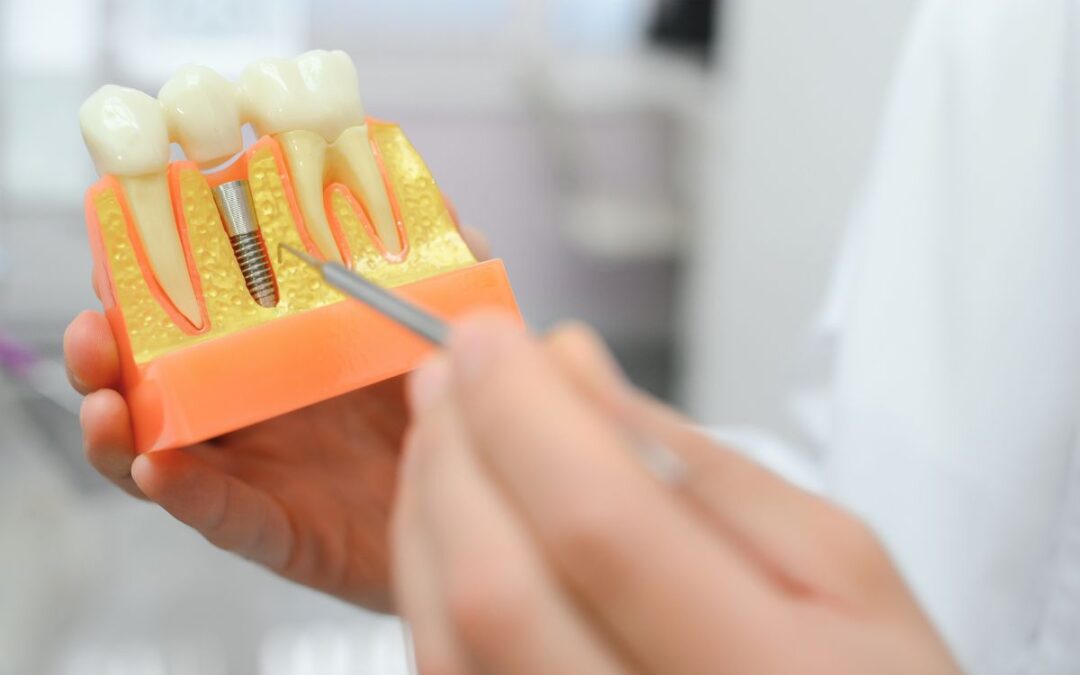
Dental implants are typically made from titanium, which is biocompatible and very safe for the human body. However, as your mouth adjusts to the new fixture, some patients notice a faint metallic flavor. This tends to be temporary and settles down as osseointegration, the process where bone fuses with the implant, gets underway.
Medications and antibiotics
After surgery, your dentist likely prescribed antibiotics or pain relievers to support healing and prevent infection. Certain medications are known to cause a metallic or bitter taste as a side effect. If you notice the taste getting stronger around the time you take your medication, that’s likely the reason.
Oral rinses
Chlorhexidine mouthwashes, which dentists often recommend after oral surgery, can also leave a metallic aftertaste. It’s a known side effect of that type of rinse, and it goes away once you stop using it.
How Long Does the Metallic Taste Last?
For most people, the metallic taste begins to fade within a few days to a week after their procedure. It usually lines up with the natural stages of healing once the site closes up, bleeding stops, and your body starts adjusting; the taste tends to go with it.
If you’re still noticing it after two weeks, or if it seems to be getting stronger rather than fading, that’s worth a call to your dental office. In some cases, a lingering metallic taste can indicate an issue, such as an early infection or implant complications, that needs attention sooner rather than later.
Simple Ways to Manage the Taste at Home
While you wait for things to normalize, there are a few things you can do to make the experience more comfortable.
Stay hydrated
Drinking water throughout the day helps rinse out residual blood, medication, and bacteria that can all contribute to that metallic flavor. Aim to sip water consistently rather than waiting until you’re thirsty.
Rinse gently with salt water
A warm salt water rinse, about half a teaspoon of salt in eight ounces of water is one of the gentlest and most effective things you can do after implant surgery. It keeps the area clean and can help neutralize the taste. Just be sure to rinse gently. No forceful swishing.
Choose softer, neutral foods
Spicy, acidic, and strongly flavored foods can worsen the metallic taste. Stick to softer foods like mashed potatoes, eggs, yogurt, oatmeal, and soups during recovery. These are easier on the surgical site and less likely to trigger or intensify the taste.
Brush carefully, but do brush
Keeping your mouth clean is important during healing. Use a soft-bristled toothbrush and avoid brushing directly over the surgical area until your dentist gives you the green light. Good oral hygiene helps reduce bacteria that can contribute to unpleasant tastes.
Chew sugar-free gum (once cleared)
Once your dentist approves it, chewing sugar-free gum can help stimulate saliva production, which naturally helps flush out the taste and keeps the mouth moist.
What You Should Not Do
Recovery after implant surgery comes with a short list of things to steer clear of, and some of these can make the metallic taste worse if you’re not careful.
Avoid smoking or using any tobacco products. Smoking slows healing, increases infection risk, and can interfere with the process of your implant integrating with the bone. It also dries out the mouth, which tends to intensify bad tastes.
Skip alcohol for the first few days, especially while you’re on prescribed medications. Alcohol can interact with antibiotics and pain relievers, and it also irritates healing tissue.
Don’t use harsh or alcohol-based mouthwashes unless your dentist specifically recommends them. These can dry out the tissues and prolong the metallic sensation.
When Should You Actually Be Concerned?
A metallic taste on its own, especially in the first week after surgery, is rarely a cause for alarm. But there are a few situations where it’s smart to reach out to your dentist.
- The taste is accompanied by significant swelling, warmth, or redness that isn’t improving after a few days
- You notice pus or unusual discharge around the implant site
- You have a fever that persists beyond the first 24 to 48 hours
- The area feels increasingly painful rather than gradually less so
- The metallic taste is getting worse, not better, after the first week
These signs can sometimes indicate an infection or a reaction that needs to be addressed early. Getting ahead of complications keeps your implant on track for long-term success.
How Our Red Bank Dental Office Handles Post-Implant Recovery
At our Red Bank dental office, we don’t just place the implant and send you home. We take time to walk every patient through exactly what to expect during recovery, including sensations like the metallic taste, so nothing catches you off guard. We provide personalized post-op instructions, and our team is always available to answer questions between visits.
Whether you’re in the early days after surgery or a few weeks out and noticing something unusual, we want to hear from you. Catching any issue early is always better than waiting.
Does the Metallic Taste Mean My Implant Is Failing?
This is one of the most common worries patients bring up, and understandably so. The short answer is: not necessarily.
A metallic taste alone is not a reliable indicator of implant failure. Failure tends to present with a more noticeable combination of symptoms, such as persistent pain, implant mobility, significant swelling, or visible changes at the site. If you’re only noticing a taste without any of those other warning signs, your implant is most likely healing just fine.
That said, if you’re ever unsure, calling your dental office is always the right move. Your peace of mind matters, and a quick check-in is far better than worrying in silence.
A Note on Long-Term Implant Care
Once your implant fully integrates with the jawbone, a process that can take anywhere from three to six months, depending on the individual, the metallic taste will be a distant memory. At that point, a well-placed and well-maintained dental implant can last for many years, often decades, with the right care.
That means brushing twice a day, flossing around the implant, attending regular cleanings, and avoiding habits like chewing ice or grinding your teeth that can put unnecessary stress on the fixture. Treating your dental implants the way you’d treat natural teeth goes a long way in preserving them for the long haul.
Keeping Your Smile Healthy and Comfortable Through Every Stage of Recovery!
The days after implant surgery can feel a little uncertain, especially when something unexpected, like a metallic taste, shows up. But most of the time, it’s just your body doing exactly what it’s supposed to do: healing. With the right care at home and a dental team you can count on, the recovery process is much more manageable than it might seem in those first couple of days.
We are committed to supporting you through every phase of your implant journey, from the initial consultation through full healing and long-term maintenance. Our patients in Red Bank, NJ, trust us to provide honest, clear guidance so they always know what to expect. If you’re dealing with a metallic taste or have any other questions after your dental implant procedure, we’re here to help.
Request an appointment today, we’d love to be part of your journey to a healthier, complete smile.
Frequently Asked Questions
1. Can the metallic taste affect my sense of smell, too?
Yes, in some cases it can. Taste and smell are closely linked, and after surgery, some patients notice that their sense of smell feels slightly off as well. This is typically temporary and resolves as healing progresses. If it continues beyond a couple of weeks, mention it to your dentist.
2. Is it safe to drink coffee or tea during recovery if I have a metallic taste?
Coffee and tea are generally fine in moderation once the first 24 hours have passed, but they can intensify the metallic flavor for some people. Both beverages are also acidic, which can irritate sensitive tissues. If you notice the taste getting worse after your morning cup, try switching to warm water or herbal tea for a few days.
3. My metallic taste seems worse at night. Is that normal?
It can be. Saliva production naturally decreases during sleep, which means the mouth becomes drier overnight. Less saliva means less natural rinsing, which can allow the metallic taste to become more concentrated. Staying well hydrated throughout the day and rinsing before bed can help.
4. Can stress or anxiety about my implant surgery make the metallic taste worse?
Interestingly, yes. Stress can affect how we perceive taste, and anxiety can also lead to dry mouth, which amplifies unpleasant flavors. Some patients find that the taste is more noticeable when they’re focused on it or feeling anxious. Relaxation, rest, and keeping yourself occupied can make a meaningful difference.
5. Will eating certain foods speed up the process of the metallic taste going away?
There’s no single food that eliminates the taste, but some can help mask or neutralize it temporarily. Foods with a mild sweetness, like plain yogurt or applesauce, tend to be well tolerated and can temporarily override the metallic sensation. Acidic foods, on the other hand, can make it worse, so avoid citrus and vinegar-based items until the healing is further along.