
Losing a tooth, whether it happened gradually or all at once, can shake your confidence more than most people expect. You might find yourself covering your mouth when you laugh, avoiding certain foods you used to love, or just feeling like something’s permanently off. And while that’s completely understandable, the good news is that tooth loss doesn’t have to mean settling for less.
If you’ve been looking into your options, you’ve probably come across the phrase “permanent tooth replacement.” Dental implants are exactly that. Unlike older solutions, implants are designed to work like your natural teeth, not just fill in a gap. But with so many choices out there, it’s fair to ask: why are dental implants worth considering over traditional methods like dentures or bridges?
Let’s walk through it together.
What Are Dental Implants, Anyway?
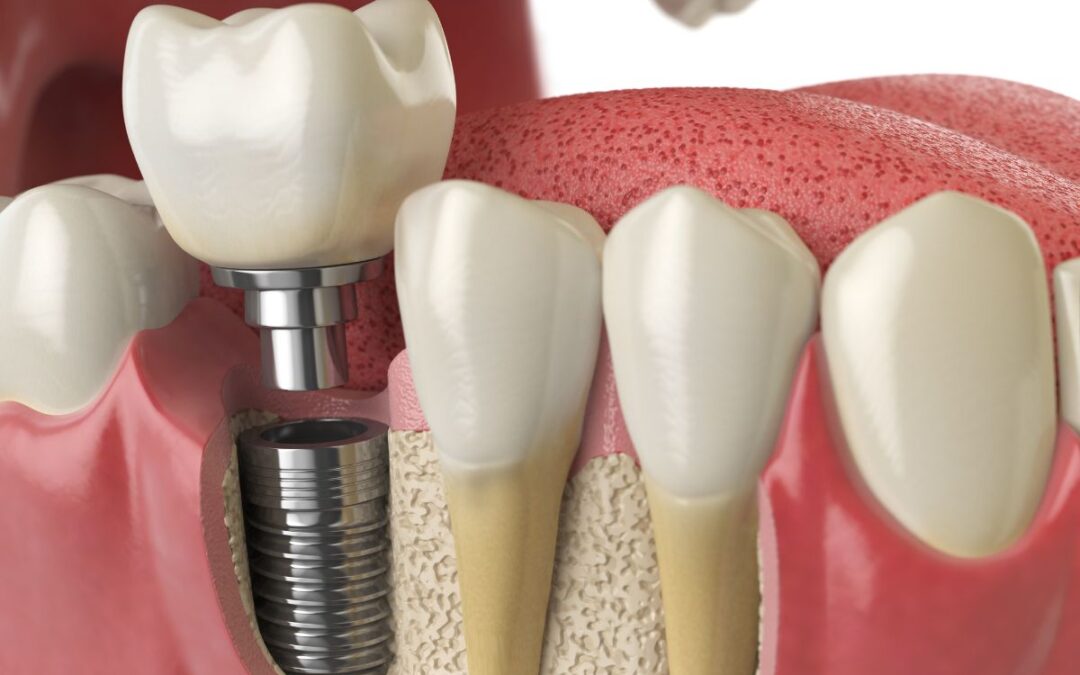
Think of a dental implant as a replacement tooth root. It’s a small titanium post that gets placed into your jawbone where the missing tooth used to be. Over time, it bonds with the bone, a process called osseointegration, and once that’s stable, a crown (the visible part that looks like a tooth) is attached on top.
The result? A tooth that looks, feels, and functions almost exactly like the one you lost. You can eat, speak, and smile without giving it a second thought.
The Problem with Traditional Methods
Before we get into the benefits of implants, it helps to understand the limitations of the alternatives.
Dentures, especially full dentures, have been around for a very long time. They can restore the appearance of a full smile, but they sit on top of the gums rather than anchoring into the jaw. This means they can shift around when you eat or talk, require adhesive creams to stay in place, and need to be removed at night. Over time, many people find them uncomfortable or limiting.
Dental bridges are more stable than dentures because they anchor to the teeth on either side of the gap. However, this comes at a cost: the neighboring healthy teeth must be filed down to support the bridge. That’s a permanent alteration to teeth that didn’t need any work done in the first place.
Both options also share a significant problem: neither one addresses what’s happening beneath the gum line.
Key Benefits of Dental Implants Over Traditional Options
1. They Feel and Function Like Natural Teeth
This is the one most patients appreciate most. With implants, there’s no awareness of a foreign object in your mouth. You can bite into an apple, enjoy a steak, or chew on one side without worrying. Bridges can sometimes feel slightly different, and dentures often require you to adjust what you eat entirely.
Since implants are anchored into the bone, the chewing force is distributed naturally, just like your original teeth. There’s no rocking, no clicking, and no guesswork.
2. They Protect Your Jawbone
Here’s something a lot of people don’t know: when you lose a tooth, the jawbone beneath it starts to shrink. This happens because the bone depends on the stimulation it gets from tooth roots every time you bite and chew. Without that stimulation, it gradually resorbs, meaning it literally dissolves away.
Dentures and bridges don’t replace the root, so they can’t prevent this from happening. Implants do. Because the titanium post integrates with your bone, it continues providing that stimulation, keeping the bone healthy and intact. This matters not just for your oral health, but also for the structure of your face over time.
3. No Slipping, No Adhesives, No Embarrassment
One of the most common complaints from denture wearers is the fear of their teeth moving at the wrong moment, mid-conversation, mid-bite, mid-laugh. It’s a very real source of stress and self-consciousness for many people.
Implants are fixed in place. Permanently. You don’t remove them at night. You don’t use adhesive pastes. You don’t worry about them at dinner. Once they’re in, they’re in, and that sense of security changes a lot for people.
4. They’re Built to Last
Dental bridges typically last around 10 to 15 years before they need to be replaced. Dentures require regular adjustments, relining, and eventual replacement as the shape of your jaw changes over time.
A well-placed implant, on the other hand, can last for decades. With proper care, meaning regular brushing, flossing, and dental check-ups, many implants last a lifetime. That makes them a much better long-term investment than they might initially seem.
5. They Keep Neighboring Teeth Healthy
Unlike a bridge that requires altering the adjacent teeth, implants are completely independent. They don’t rely on surrounding teeth for support, which means those teeth stay untouched and structurally sound. Over the long run, this reduces the risk of complications spreading from one tooth to another.
Are Dental Implants Right for Everyone?
Most adults in good general health are good candidates for dental implants. You’ll need enough jawbone to support the implant post; however, in cases where bone density is low, bone grafting can help rebuild it before implant placement.
Your dentist will also want to rule out uncontrolled gum disease or other oral health conditions that could affect healing. Habits like smoking can slow the process, so that’s worth a conversation with your provider, too.
The only way to know for sure whether implants are a good fit for your specific situation is to have an evaluation done, and that’s exactly the kind of conversation we love having with patients.
Ready to Find Out if Implants Are Right for You?
You don’t have to figure this out alone. Our team is here to walk you through your options, answer every question you have, and help you feel confident about whatever direction you choose. Contact us today to schedule your consultation.
What does the Process Actually Look Like?
A lot of patients come in having heard that the implant process takes a long time, and while it’s true, it’s not a one-appointment procedure; understanding the steps makes it feel a lot more manageable.
Here’s a general overview:
Step 1: Initial consultation and imaging: Your dentist will take X-rays or a cone beam CT scan to assess your bone density and plan the placement. This is also when you’ll discuss your goals, timeline, and any concerns.
Step 2: Implant placement: Under local anesthesia (and sedation if preferred), the titanium post is placed into the jawbone. Most patients report that the procedure is more comfortable than they expected.
Step 3: Healing period: This is the part that takes time. Over the next few months, the implant fuses with the bone. This phase is critical to the long-term stability of the implant. During this time, a temporary tooth can often be placed so you’re not walking around with a gap.
Step 4: Abutment and crown placement: Once healing is confirmed, a small connector piece (the abutment) is attached, followed by the custom-made crown that matches your surrounding teeth in shape and color.
That’s it. A process that results in a tooth you’ll likely never need to think about again.
What to Expect During Recovery?
Most patients take a day or two to rest after the placement procedure, with some mild soreness and swelling that responds well to over-the-counter pain relief. Serious complications are uncommon when the procedure is performed by an experienced provider. Your dentist will give you clear aftercare instructions and check in with you throughout the healing process.
Keeping Your Smile Complete, Confident, and Healthy — With Us!
Tooth loss doesn’t have to be the end of the story. Whether you’ve been living with a gap for years or you’re facing the prospect of losing a tooth now, you have real options, and dental implants may be the closest thing to getting your natural tooth back.
At Conte Dentistry, we are committed to helping each patient find the right solution for their smile, their health, and their life. If you’ve been wondering about dental implants in Red Bank and want to know whether they’re the right fit for you, we would love to talk. Our team will take the time to understand your situation, walk you through what to expect, and make sure you leave with a clear picture of your path forward.
FAQs
Q1: Can I get a dental implant if I’ve had gum disease in the past?
Yes, in many cases, but active gum disease must be fully treated first. Infection in the surrounding tissue can prevent the implant from bonding properly with the bone. Your dentist will assess your gum health and let you know if any preparatory treatment is needed before moving forward.
Q2: Do dental implants require any special cleaning or care at home?
Not really. You care for implants just like natural teeth, brushing twice a day, flossing daily, and keeping up with regular cleanings. The crown itself can’t get a cavity, but the gum tissue around it can still become irritated if plaque builds up, so consistent hygiene still matters.
Q3: Is there an age limit for getting dental implants?
On the younger end, your jawbone needs to be fully developed, usually by the late teens or early twenties. For older adults, age alone isn’t a barrier. What matters more is overall health and bone density. Many patients in their 60s, 70s, and beyond are great candidates.
Q4: What happens if a dental implant fails?
It’s uncommon, but if it does happen, usually from infection or poor bone integration, the implant can often be removed, the area allowed to heal, and a new one placed when the time is right. Regular follow-up appointments help catch any early issues before they become bigger problems.
Q5: Can I get an implant to replace a back molar, or are they only for front teeth?
Implants can be placed anywhere in the mouth, including the back. Replacing missing molars is especially important, as they handle most of your chewing load. Leaving that gap can cause neighboring teeth to shift and put extra strain on the rest of your bite.