
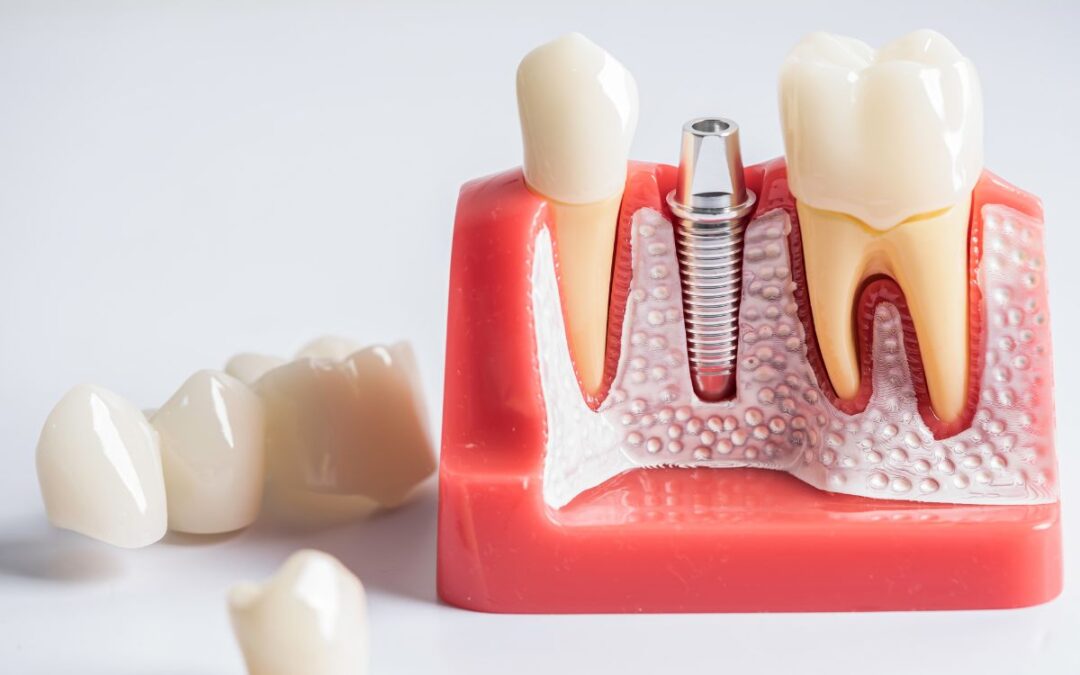
Getting dental implants is a big step toward restoring your smile and confidence. As a form of permanent tooth replacement, dental implants are designed to look, feel, and function like natural teeth. But after the procedure, some people notice a small change in how they speak—especially a slight lisp.
If this has happened to you, there’s no need to worry. A temporary lisp is quite common after dental implants, and in most cases, it improves quickly as your mouth adjusts. Let’s walk through why it happens and what you can do to get your clear speech back.
What Causes a Lisp After Dental Implants?
Your mouth is used to a certain structure, and even small changes can affect how your tongue moves when you speak. After dental implants, a lisp can happen because:
- Your tongue is adjusting to the new shape of your teeth
- The size or position of the implant feels slightly different
- There may be mild swelling after the procedure
- Your bite alignment has changed slightly
These changes are temporary, but they can make certain sounds—like “S” or “Th”—feel different at first.
Is a Lisp After Dental Implants Normal?
Yes, it is. Many patients experience a mild lisp in the first few days or weeks after getting implants. Your tongue and muscles simply need time to adapt.
In most cases, speech returns to normal fairly quickly. However, if the lisp continues for a longer period, it may be worth having your dentist take a closer look.
Simple Ways to Get Rid of a Lisp Faster
The good news is that there are easy, practical steps you can take to speed up the adjustment process.
1. Practice Speaking Slowly
Take your time when talking. Slowing down helps your tongue learn the new positioning more accurately.
2. Read Aloud Every Day
Reading out loud—even for 10–15 minutes daily—can help retrain your speech patterns and improve clarity.
3. Focus on Tricky Sounds
Pay extra attention to words with “S,” “F,” and “Th” sounds. Repeating them can help your mouth adjust faster.
4. Stay Hydrated
A dry mouth can make speech more difficult. Drinking enough water keeps your mouth comfortable and improves movement.
Exercises to Improve Speech After Implants
Adding a few simple exercises to your routine can make a noticeable difference:
- Practice speaking in front of a mirror to observe tongue placement
- Repeat challenging words several times a day
- Try tongue positioning exercises to improve control
These small habits can help your speech return to normal sooner than you might expect.
When Should You Visit Your Dentist?
While most lisps go away on their own, there are times when you should seek professional advice:
- If the lisp lasts longer than a few weeks
- If you feel discomfort when speaking
- If your bite feels uneven or unnatural
Our experienced implant dentist, Dr. Conte, can evaluate your implants and make small adjustments if needed.
How Dental Implants Support Long-Term Speech and Function?
Once your mouth fully adapts, dental implants actually improve your speech. Unlike removable options, implants stay securely in place, allowing your tongue to move naturally.
They provide a stable foundation, making it easier to pronounce words clearly and confidently over time. Dental implants provide a stable foundation compared to other options—learn more about how dental implants can restore your smile.
Need Help Adjusting to Your Implants?
If you’re still having trouble with your speech or have concerns after your procedure, don’t hesitate to reach out. Contact us for guidance and support—we’re here to help you feel comfortable every step of the way.
Tips to Adjust Comfortably to Your New Implants
- Give yourself time to adapt
- Follow all aftercare instructions carefully
- Keep up with regular dental checkups
A little patience and practice go a long way in helping you feel completely at ease with your new smile.
Enjoy Clear Speech Again with Conte Dentistry
Adjusting to dental implants can take a little time, especially when it comes to speech. But with the right approach and guidance, your lisp will fade, and your confidence will return.
At our dental practice, we are committed to helping patients feel comfortable and confident after treatment. Whether you have questions about recovery or need support adjusting to dental implants in Red Bank, our team is here to guide you.
FAQs
1. Can dental implants permanently affect speech?
No, dental implants are designed to improve function. Any speech changes are usually temporary during the adjustment period.
2. How long does it take to speak normally after implants?
Most people adjust within a few days to a few weeks, depending on how quickly their mouth adapts.
3. Do all patients get a lisp after dental implants?
Not everyone experiences a lisp. It depends on the implant location and individual adaptation.
4. Can missing teeth cause a lisp before implants?
Yes, missing teeth can affect speech, and implants often help restore proper pronunciation over time.
5. Should I avoid talking after getting implants?
No, speaking gently can actually help your mouth adjust faster, as long as you’re not experiencing discomfort.