
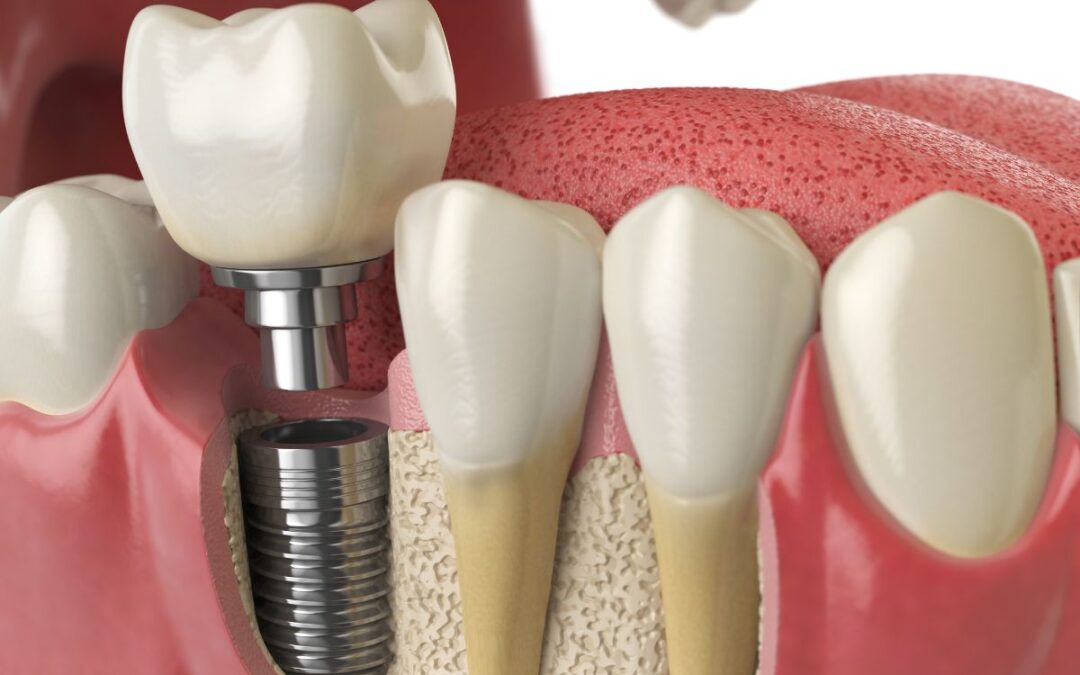
Dental implants are one of the most reliable ways to replace missing teeth, offering results that look and feel natural. If you’re considering dental implants, you may wonder about potential risks, particularly how these implants could affect your sinuses. While complications are rare, understanding the connection between dental implants and sinus health can help you make informed decisions and prevent unwanted issues.
How Dental Implants and Sinuses Are Connected?
The upper jaw is located near the maxillary sinuses, which are air-filled spaces behind your cheekbones. When a dental implant is placed in the upper jaw, especially near the back teeth, it’s positioned close to these sinuses.
If the implant is too close to the sinus cavity, it can occasionally cause problems like:
- Sinus perforation, where the implant slightly enters the sinus cavity.
- Inflammation or infection in the sinus lining.
- Pressure or congestion, leading to headaches or post-nasal drip.
Knowing the anatomy of your sinuses helps your dentist plan your implant placement safely and reduce these risks.
The Role of Sinus Lift Procedures
Sometimes, there isn’t enough bone in the upper jaw to support a dental implant safely. In such cases, a sinus lift (or sinus augmentation) may be recommended. This procedure gently lifts the sinus membrane and adds bone graft material, creating a stable foundation for your implant.
A sinus lift is significant for patients who have experienced bone loss due to missing teeth or other dental issues. By increasing bone height, the procedure reduces the likelihood of sinus complications and improves the long-term success of dental implants.
Signs of Sinus Issues After Dental Implants
Although most dental implants heal without issues, it’s important to know what to watch for. Signs of sinus problems may include:
- Sinus congestion or blockage
- Pressure or pain in the upper jaw or cheekbones
- Persistent headaches
- Post-nasal drip or excessive mucus
If you notice any of these symptoms after your procedure, contact your dentist promptly to prevent further complications.
How to Reduce Sinus Problems During Implant Surgery?
Preventing sinus issues begins before the implant is placed. Here’s what your dentist may do to ensure safe, effective results:
- Comprehensive Evaluation – X-rays or a CT scan help assess sinus location and available bone.
- Proper Implant Planning – Choosing the right implant size and placement angle avoids sinus contact.
- Sinus Lift Procedure – If needed, adds bone and protects the sinus lining.
- Post-Surgery Care – Following recovery instructions helps prevent complications.
These steps allow dental implants in the upper jaw to be placed safely, giving you a healthy, natural smile.
Get Safe, Successful Dental Implants – Visit Conte Dentistry in Red Bank, NJ
Dental implants are a safe and effective solution for restoring missing teeth. While complications like sinus problems are uncommon, being aware of the risks and preventive measures ensures a smoother, successful outcome.
If you’re considering dental implants in Red Bank, NJ, or want to discuss sinus health with an experienced dentist, request an appointment at Conte Dentistry today. Our team is here to guide you through every step and help you achieve a healthy, confident smile.