
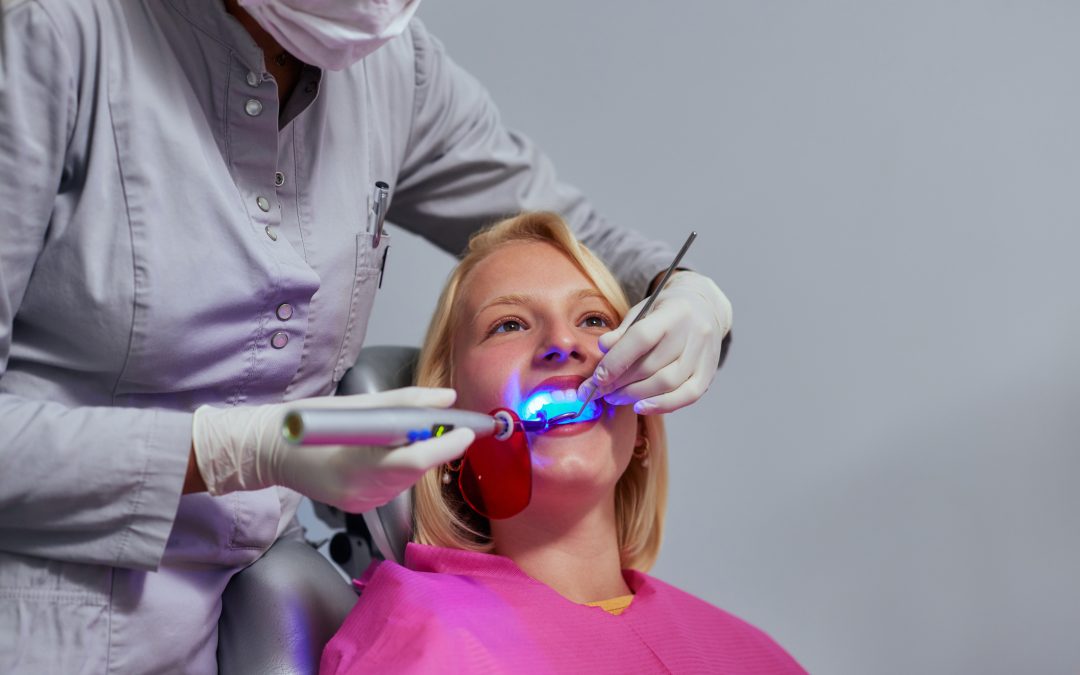
If you’ve been wondering, will professional teeth whitening actually work for you in Shrewsbury, you’re asking exactly the right question. Whitening is one of the most requested cosmetic treatments — and one of the most misunderstood. Not every smile responds the same way. Before you invest time and money, it helps to understand whether you’re a strong candidate.
How Professional Teeth Whitening Works
Professional whitening uses a bleaching agent — usually carbamide peroxide or hydrogen peroxide — to break apart surface stains. The gel penetrates the outer layer of your enamel and lifts discoloration from within. This process is more controlled and effective than anything available over the counter. At Conte Dentistry, Dr. Louis B. Conte evaluates your teeth before recommending any whitening approach.
The key distinction is between extrinsic stains and intrinsic stains. Extrinsic stains live on the surface of your enamel. Intrinsic stains are locked inside the tooth structure itself. Professional whitening excels at removing extrinsic stains. Intrinsic stains are a different challenge entirely.
Understanding this difference is the first step. It determines whether whitening will deliver the results you’re hoping for. Dr. Conte walks every patient through this assessment during a consultation.
Who Gets the Best Results from Whitening in Shrewsbury
Patients with yellow or light brown staining from food, coffee, tea, or tobacco tend to see the most dramatic improvements. These stains sit on or near the enamel surface. Professional-grade bleaching agents reach them effectively. Results can be several shades lighter after just one session.
You’re also a strong candidate if your teeth are generally healthy with no major restorations on the front surfaces. Healthy enamel absorbs the whitening gel evenly. This creates a consistent, bright result across your smile.
- Coffee or tea drinkers with surface staining
- Patients with tobacco-related yellowing
- People with age-related enamel discoloration
- Individuals with healthy, unrestored front teeth
- Those who have completed any needed gum or cavity treatment first
It’s also important that your gums are healthy before whitening. Irritated or inflamed gum tissue can react poorly to bleaching agents. If gum health is a concern, Dr. Conte may recommend Gum Disease Treatment Shrewsbury before moving forward with whitening.
Who May Not See the Results They Expect
This is where many patients get surprised — and sometimes disappointed. Whitening gels only work on natural tooth enamel. They have no effect on dental restorations like crowns, veneers, or tooth-colored fillings. If you have visible restorations on your front teeth, whitening will lighten your natural teeth but leave the restorations unchanged. This can actually create an uneven appearance.
Intrinsic stains are another limiting factor. These stains develop inside the tooth structure and bleaching agents simply cannot reach them. Common causes include:
- Tetracycline antibiotic use during childhood tooth development
- Fluorosis from excessive fluoride exposure
- Trauma that caused internal bleeding within the tooth
- Certain medications that affect tooth color from within
- Genetics and naturally darker dentin
Patients with these types of staining often need alternative cosmetic solutions. Porcelain veneers, for example, can mask intrinsic discoloration entirely. Dr. Conte will help you understand which path gives you the best realistic outcome.
Thin or compromised enamel is also worth discussing. Whitening can increase sensitivity in patients with enamel erosion. A thorough evaluation using Dental Technology Shrewsbury helps Dr. Conte assess your enamel condition before recommending treatment.
What to Expect During a Whitening Consultation at Conte Dentistry
Your consultation is a conversation, not a sales pitch. Dr. Conte examines your current shade, evaluates stain type, and checks your enamel and gum health. He looks at any existing restorations to understand how they may factor into your results. This step is what separates professional whitening from a DIY kit.
If you’re a good candidate, you’ll discuss which whitening method fits your lifestyle. In-office treatments deliver faster results. Take-home trays from the practice offer more gradual brightening with professional-grade gel. Both options use stronger concentrations than anything sold in stores.
If you’re not an ideal whitening candidate, that’s valuable information too. Knowing this early saves you from an ineffective treatment. It also opens the door to a better solution — whether that’s veneers, bonding, or another cosmetic option.
Maintaining Your Results After Whitening
Whitening isn’t permanent. Results typically last six months to two years depending on your habits. Patients who drink coffee, tea, or red wine daily will notice faster fading. Tobacco use also accelerates re-staining significantly.
Rinsing with water after staining foods and beverages helps extend your results. Using a whitening toothpaste between professional sessions is also effective. Scheduling regular dental checkups keeps your smile healthy and gives you a chance to touch up when needed.
Dr. Conte’s team can recommend a maintenance schedule that works for your lifestyle. Consistency between visits makes a big difference in how long your results last.
Conclusion: Self-Screen Before You Commit
Will professional teeth whitening actually work for you in Shrewsbury? The honest answer depends on your specific situation. Extrinsic stains respond beautifully. Intrinsic stains, restorations, and certain medication-related discoloration require a different approach. The only way to know for sure is a professional evaluation with Dr. Louis B. Conte. He’ll give you a clear, honest picture of what’s possible for your smile. Book Now to schedule your appointment with our team.
Frequently Asked Questions
Does professional whitening work on crowns or veneers?
No. Whitening gels only affect natural tooth enamel. Crowns, veneers, and composite fillings will not change color with bleaching treatment. If you have restorations on visible front teeth, your dentist may recommend a different cosmetic approach to create a uniform result.
How long does professional teeth whitening last in Shrewsbury?
Results typically last between six months and two years. Your lifestyle plays a major role. Patients who consume staining foods and beverages frequently or use tobacco will notice fading sooner. Regular dental visits and touch-up treatments help maintain brightness over time.
Can teeth whitening cause sensitivity?
Some patients experience temporary sensitivity during or after whitening treatment. This usually resolves within a day or two. Patients with thin enamel or existing sensitivity may be more prone to discomfort. Dr. Conte evaluates your enamel health beforehand and can recommend desensitizing products if needed.
What stains does professional whitening remove best?
Professional whitening works best on extrinsic stains — surface discoloration from coffee, tea, red wine, and tobacco. These stains respond quickly to bleaching agents. Intrinsic stains caused by tetracycline, fluorosis, or trauma are much harder to treat with whitening alone.
Is professional whitening better than whitening strips?
Yes, in most cases. Professional whitening uses higher-concentration bleaching agents that are not available over the counter. The process is also supervised by a dentist, which means it’s safer and more predictable. Results are typically faster and more dramatic than those achieved with strips or trays purchased at a pharmacy.