
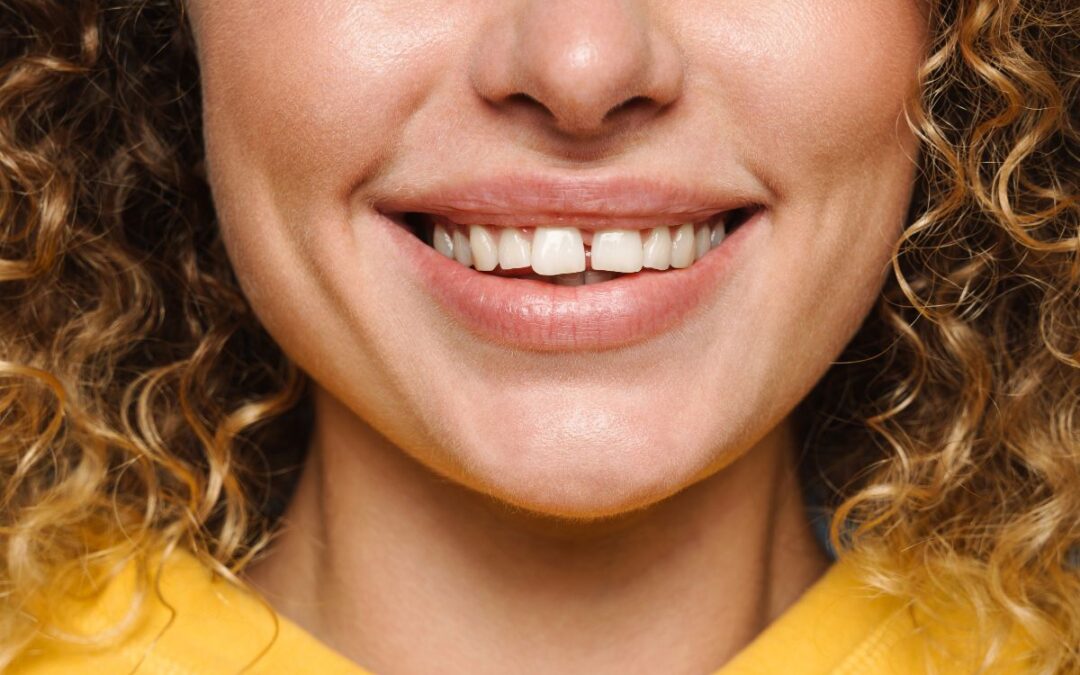
A small gap between two teeth may not seem like a serious concern at first. For many people, it is simply a cosmetic detail that becomes more noticeable over time. Others may notice that food gets trapped more easily or that the spacing affects their confidence when they smile. Because gaps can develop for different reasons, understanding what is causing the space is an important first step before choosing a treatment.
This guide explains the common causes of small gaps between teeth, when a gap may need attention, and how treatments such as porcelain veneers and Invisalign may help.
What Causes Small Gaps Between Teeth?
Small gaps between teeth, sometimes called diastemas, can develop for several reasons. Some are simply part of a person’s natural tooth and jaw structure, while others may develop because of changes in oral health or tooth position.
Common causes include:
- Natural spacing due to genetics
- Teeth that are smaller than average
- A difference between jaw size and tooth size
- Childhood habits such as thumb sucking
- Tongue thrusting while swallowing
- Missing teeth that leave extra space
- Gum disease that causes teeth to shift
- Teeth gradually moving with age
- Changes following previous orthodontic treatment
The reason behind the gap matters because treatment should address the underlying issue whenever possible. For example, a gap caused by tooth size may be approached differently from spacing caused by tooth movement or gum disease.
Is a Small Gap Between Teeth a Problem?
Not every gap requires treatment. A small space that has always been present and remains stable may simply be a natural part of your smile.
However, a dental evaluation is worthwhile if you notice a gap that is new, becoming larger, or appearing along with other changes. Signs that deserve attention include:
- A gap that recently developed
- Teeth shifting or becoming loose
- Food frequently getting trapped
- Changes in the way your teeth come together when you bite
- Bleeding or swollen gums
- Difficulty biting or chewing comfortably
- New spaces developing between several teeth
If gum disease or another oral health problem is responsible for the spacing, that issue should generally be addressed before cosmetic treatment is considered.
Can Porcelain Veneers Close Small Gaps Between Teeth?
Porcelain veneers may be an option for closing certain small gaps, particularly when the spacing is related to tooth shape, size, or proportions.
Veneers are thin, custom-made shells that are bonded to the front surfaces of teeth. They can be designed to slightly change the visible shape and width of teeth, allowing a small space to be closed while creating more balanced proportions.
For patients with minor gaps, veneers can sometimes provide an alternative to moving the teeth orthodontically. However, veneers are not appropriate for every gap. A dentist needs to evaluate the teeth, gums, bite, and amount of spacing before recommending them.
Porcelain veneers may also address other cosmetic concerns at the same time, such as:
- Minor chips
- Worn or uneven edges
- Uneven tooth shapes
- Small differences in tooth size
- Certain types of discoloration
- Mild concerns with overall tooth symmetry
The goal is not simply to make the gap disappear. The size and shape of each tooth need to be considered so the final result looks balanced and natural.
Can Invisalign Close Small Gaps Between Teeth?
When a gap is primarily caused by tooth position, Invisalign may be an option.
Invisalign uses a series of clear aligners that gradually move the teeth according to a treatment plan. Rather than changing the size or shape of the teeth, aligner treatment changes their position.
This approach may be considered when:
- There are spaces between several teeth
- Teeth have shifted over time
- Spacing returned after previous orthodontic treatment
- A gap occurs alongside mild crowding
- Tooth position contributes to an uneven bite
- The patient prefers orthodontic treatment rather than altering tooth structure
Invisalign may be particularly useful when the teeth themselves are healthy and appropriately sized but simply need to be repositioned.
Treatment time varies depending on how much movement is needed and whether other alignment concerns need to be addressed. After orthodontic treatment, wearing retainers as directed is important because teeth can gradually shift again over time.
Invisalign or Veneers: Which Option Is Better?
There is no universal answer because the two treatments address different concerns.
Invisalign primarily changes tooth position: It may be more appropriate when the teeth need to move closer together or when the gap is part of a broader alignment issue.
Porcelain veneers primarily change tooth appearance and proportions: They may be considered when the teeth are healthy, but their size, shape, or proportions contribute to the appearance of a gap.
For example, if two front teeth are naturally narrower than expected, veneers may help change their visible width and close the space. If the teeth are appropriately sized but positioned too far apart, Invisalign may be a more suitable approach.
In some cases, a dentist may discuss more than one option. Comparing treatment time, tooth preparation, maintenance, appearance, and long-term considerations can help you make an informed decision.
Which Treatment Is Right for Your Smile?
The ideal treatment depends on why the gap developed rather than simply how large it appears.
| Situation | Possible Treatment |
| Gap with uneven tooth shape | Porcelain veneers |
| Multiple gaps | Veneers or Invisalign |
| Teeth shifted over time | Invisalign |
| Gap caused by gum disease | Periodontal treatment before cosmetic care |
A thorough examination at our dental office will help evaluate your bite alignment, gum health, and tooth proportions before we recommend the right treatment for you
What Happens During a Cosmetic Consultation?
A consultation for a small gap should focus on understanding why the space exists before deciding how to close it.
Your appointment may include:
- A comprehensive oral examination
- Digital photographs
- X-rays when necessary
- Bite evaluation
- Gum health assessment
- Evaluation of tooth size and proportions
- Discussion of your cosmetic concerns
- Review of appropriate treatment options
Your dentist may also discuss how different approaches could affect the appearance and function of your teeth.
For example, Invisalign moves teeth gradually and generally requires a longer treatment period, while veneers can change the visible shape of teeth through restorative treatment. Understanding these differences can help you choose an option that fits your needs rather than choosing a treatment based only on how quickly it can close the gap.
Why Treating the Cause Matters
Closing a gap without understanding why it developed may not provide the long-term result you expect.
If gum disease is causing teeth to shift, periodontal treatment may need to come first. If the spacing is caused by tooth position, orthodontic treatment may be more appropriate. If tooth size or shape is responsible, cosmetic treatment may provide a better solution.
This is especially important when a gap is new or becoming larger. A changing space can sometimes indicate movement of the teeth or an underlying oral health concern.
A treatment plan that considers the cause, rather than just the appearance of the gap, can help protect the health and function of your teeth.
Avoid DIY Methods for Closing Tooth Gaps
You may come across suggestions online for closing gaps at home using rubber bands, elastic bands, or other DIY techniques. These methods should be avoided.
Uncontrolled pressure can move teeth in unintended ways and may damage the gums, tooth roots, or supporting bone. Teeth should only be moved after a dental professional has evaluated their position, surrounding tissues, and bite.
If you want to close a gap, a professional evaluation is a much safer starting point than trying to move the teeth yourself.
How Long Does It Take to Close a Small Gap?
The timeline depends on the treatment chosen and the reason for the spacing.
With Invisalign, teeth are moved gradually according to an individualized treatment plan. The total time depends on the amount of movement needed and whether other alignment or bite concerns are being treated at the same time.
Veneers follow a different process because they change the visible shape and proportions of the teeth rather than moving them. The treatment timeline depends on the number of teeth being treated and the planning and fabrication process.
Your dentist can provide a more specific timeline after examining your teeth and discussing your treatment goals.
Can a Gap Return After Treatment?
Yes, gaps can sometimes return, particularly when they were caused by tooth movement.
Teeth naturally have some ability to shift over time. This is one reason retainers are commonly recommended after orthodontic treatment. Wearing them according to your orthodontist’s instructions can help maintain the position of the teeth.
The long-term condition of your teeth and gums also matters. Regular dental care, good oral hygiene, and addressing problems such as gum disease can help protect the health of the tissues supporting your teeth.
Small Gaps Between Teeth: What to Keep in Mind
A small gap is not necessarily a problem, but a new or changing space should not be ignored. Understanding what caused the gap is the first step toward choosing an appropriate solution.
For some patients, Invisalign may gradually reposition the teeth. For others, porcelain veneers may improve tooth proportions and close a small space. When gum disease, missing teeth, or another dental concern is responsible, that issue may need to be addressed before cosmetic treatment.
The most appropriate choice depends on the condition and position of your teeth, your gum health, your bite, and the result you want to achieve. A professional evaluation can help you understand your options and choose an approach that considers both appearance and long-term oral health.
A Personalized Approach to Closing Small Gaps
Small gaps between teeth can have many different causes, and the right treatment depends on more than the size of the space. Porcelain veneers may be appropriate when tooth shape or proportions contribute to the gap, while Invisalign may be a better option when tooth position is the primary concern.
A professional evaluation can help determine whether cosmetic dentistry, orthodontic treatment, periodontal care, or another approach makes the most sense for your situation.
At Conte Dentistry, we provide both porcelain veneers and Invisalign, allowing treatment recommendations to be based on whether the gap is related to tooth shape, size, or position. Dr. Conte can evaluate your teeth and gums, discuss your concerns, and help you understand which option best fits your oral health and goals.
Contact us to learn more about your options for addressing small gaps between your teeth.