
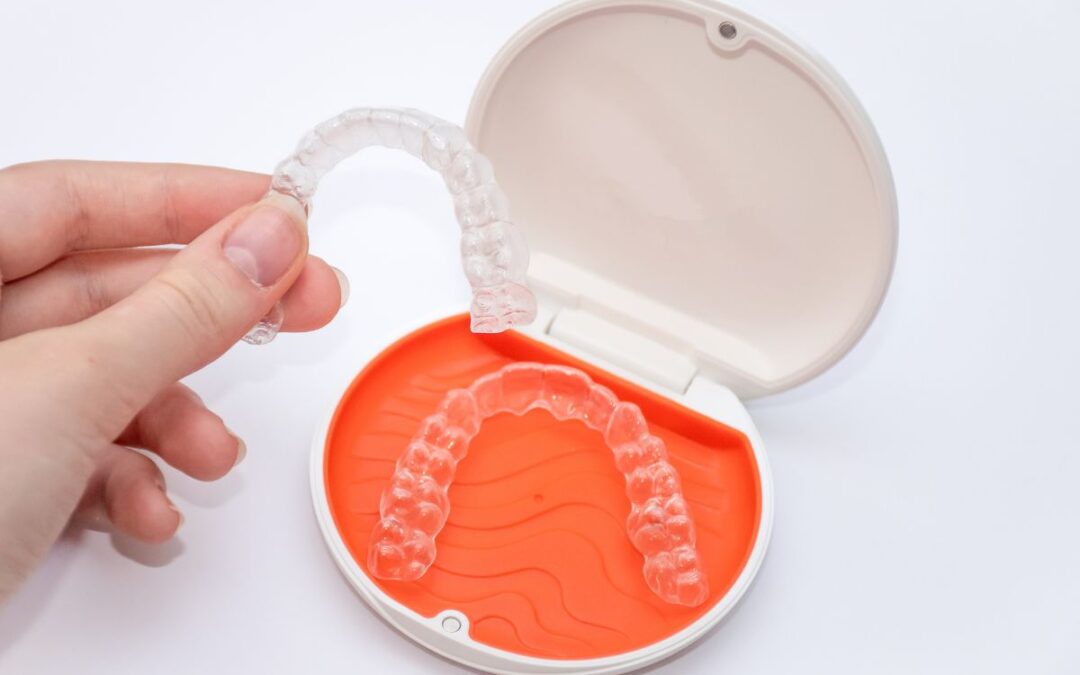
Starting your journey toward a straighter smile is exciting. You’ve done the research, had the consultation, and received your first set of aligners. Everything seems to be going well until it isn’t. Weeks pass, and things don’t seem to be moving as expected. Sound familiar?
Here’s the thing: Invisalign treatment works remarkably well, but only when you follow through consistently. Many patients experience unnecessary delays not because the system failed them, but because of small, everyday mistakes that quietly add up. The good news? Most of these are completely avoidable once you know what to watch out for.
In this post, we’re breaking down the most common mistakes that slow down Invisalign treatment and what you can do right now to stay on track.
1. Not Wearing Your Aligners Long Enough Each Day
Invisalign aligners are designed to be worn for 20 to 22 hours every single day. That leaves only a small window, roughly two hours, to eat, drink anything other than plain water, brush, and floss.
Why does this happen?
Life gets in the way. A long lunch, an evening out, a lazy Sunday morning, and before you know it, hours have passed without your aligners in.
What Does It Do to Your Treatment?
When this happens regularly, your teeth don’t receive the consistent pressure they need to shift. Progress slows, your next set of trays may not fit correctly, and your overall timeline gets stretched.
What Helps
Set a phone reminder every time you take your aligners out. Think of them the same way you think of your phone; you don’t leave home without it.
2. Drinking the Wrong Beverages With Aligners In
Plain water is the only thing safe to drink while wearing your aligners. Coffee, tea, juice, soda, and especially hot drinks all cause problems.
The Heat Problem
Hot drinks can warp the plastic, changing the shape of the aligner so it no longer fits snugly against your teeth.
The Sugar and Acid Problem
Sugary or acidic drinks seep beneath the aligners and remain in contact with your teeth for hours, significantly increasing your risk of cavities during treatment.
The Staining Problem
A morning coffee habit while wearing clear trays will gradually turn them yellowish, not exactly the “invisible” look you were going for.
The Simple Fix
Take your aligners out before any drink that isn’t water. If you’re someone who sips coffee throughout the morning, set aside a specific window for it, then brush and put your aligners straight back in.
3. Switching Aligners at the Wrong Time
Each set of aligners in your series is built to move your teeth a specific, precise amount. The timing of when you switch matters more than most people realize.
Switching Too Early
Moving to the next tray before your teeth have fully adjusted can cause discomfort and lead to uneven or incomplete tooth movement.
Switching Too Late
Wearing the same set for too long means days of lost progress. Your teeth aren’t moving forward, and the next tray may feel more uncomfortable than it should.
The Easy Solution
Pick a consistent day of the week to switch, say, every Sunday night before bed. That way, it becomes a routine, like any other weekly habit, and you’re far less likely to forget.
4. Neglecting Oral Hygiene During Treatment
Because Invisalign aligners are removable, many patients assume their hygiene routine can stay exactly the same. In reality, you need to be even more thorough than before.
Why the Risk Is Higher With Aligners
When aligners sit over your teeth for 20-plus hours a day, any food particles or plaque left behind are trapped directly against the enamel. This creates the perfect environment for bacteria to grow.
What Can Go Wrong
Trapped bacteria can lead to cavities, gum inflammation, and bad breath. If a cavity develops mid-treatment and requires a filling, your Invisalign plan may need to pause until it’s addressed, adding weeks to your timeline.
Habits to Build Right Now
Brush after every meal before putting the aligners back in. Floss at least once a day. Clean your aligners daily with a soft brush and lukewarm water, and avoid toothpaste on the trays; the abrasive particles scratch the plastic and make them cloudy.
5. Missing or Postponing Check-In Appointments
One of the biggest misconceptions about Invisalign is that once you have your aligners in hand, the work is mostly done. Your dental visits throughout treatment are not just formalities; they have a real job to do.
What Your Dentist Is Actually Checking
During each visit, your dentist checks whether your teeth are moving exactly as planned. If something is off, say, a tooth isn’t responding as expected, they can catch it early and adjust before it becomes a bigger problem.
What Happens When You Skip
When patients delay or skip these visits, minor tracking issues go unnoticed. Left unchecked, they can require additional aligner sets, corrective steps, and a longer overall treatment time.
The Bottom Line
Even if your teeth look great to you, keep every scheduled appointment. Your provider is monitoring details that simply aren’t visible to the untrained eye.
6. Losing or Damaging Your Aligners And Waiting to Report It
It happens that aligners get tossed in a napkin at a restaurant, chewed by a pet, or misplaced during a hectic week. The real problem isn’t losing them. The problem is waiting days before calling your dentist.
What Happens to Your Teeth in the Meantime
Every day without your aligners is a day your teeth aren’t moving forward and potentially a day they’re shifting slightly back toward their original position.
The Wrong Way to Handle It
Some patients try to skip ahead to the next tray or go back to an older set without guidance. This can result in an improper fit, unnecessary discomfort, or tooth movement in the wrong direction entirely.
The Right Move
Call your dental office as soon as you realize the aligners are lost or broken. They’ll tell you whether to move to the next tray or get a replacement. And going forward, always keep your aligner case with you; it takes seconds to use and prevents most accidental losses.
7. Smoking or Using Tobacco During Treatment
Smoking while wearing aligners creates problems that go beyond just appearance.
The Immediate Effect
Tobacco smoke quickly stains the plastic, turning clear aligners a yellowish-brown that makes them far more noticeable.
The Deeper Issue
Tobacco use is associated with slower healing, increased gum disease risk, and a reduced response to orthodontic movement. The chemicals trapped under your aligners stay in direct contact with your gum tissue and enamel for hours.
What to Know If You Smoke
Always remove your aligners before smoking and brush thoroughly before putting them back in. Keep in mind that every extra removal adds to the total time your aligners are out of your mouth each day, which can quietly slow your overall progress.
8. Forgetting About Your Retainer After Treatment Ends
Finishing your last aligner tray is a great milestone, but it is not the finish line.
Why Teeth Shift Back
Teeth have a natural tendency to drift back toward their original positions after orthodontic treatment. This is called relapse, and it happens more often than most people expect when retainers are not worn consistently.
When the Risk Is Highest
The first several months after completing Invisalign are when your teeth are most prone to shifting. The bone and tissue that hold your teeth in place are still stabilizing, and without a retainer, movement can start quickly.
What to Do
Follow your provider’s retainer instructions closely. Many patients wear their retainer nightly long-term, a small commitment that protects everything you worked for during treatment.
Have questions about your progress or want to make sure your treatment is on track? Contact our Red Bank office, we’re happy to help.
Why Staying On Track Matters More Than You Think
Every mistake covered above has one thing in common: each one adds time to your treatment. What starts as a 12-month plan can stretch to 18 months or longer if these habits go unchecked.
Extending treatment doesn’t just mean waiting longer for results. It often means additional aligner sets, more dental visits, and added expense. The patients who finish on time are almost always the ones who stayed consistent with the small daily habits.
Quick Daily Habits That Keep Treatment Moving
Keep these in mind every single day:
- Put your aligners back in immediately after eating and brushing.
- Always carry your aligner case so you have a safe place to store them.
- Track your daily wear time. There are free apps made specifically for this.
- Switch aligner appointments to a set day each week, so it becomes automatic.
- Never skip a check-in visit, even when everything seems fine.
- Call your dental office right away if an aligner is lost or doesn’t fit properly.
Achieve Your Straightest Smile – Visit Conte Dentistry in Red Bank, NJ
Getting a straighter smile with Invisalign doesn’t have to be complicated. Most treatment delays come down to a handful of everyday habits, and once you understand what causes them, staying on track becomes a lot more manageable.
At our dental practice, we’re committed to guiding each patient through a smooth, well-supported Invisalign experience from the very first tray to the final retainer check. Whether you’re just starting out or you’ve hit a bump midway through, our team takes the time to listen, adjust, and make sure your treatment plan is actually working for you. Our patients throughout Red Bank, NJ, know they can count on personalized, attentive care at every visit.
Ready to get started or have concerns about your current Invisalign? Call us at (848) 331-4187 today. We’re here to make sure your path to a healthier, straighter smile stays right on schedule.