
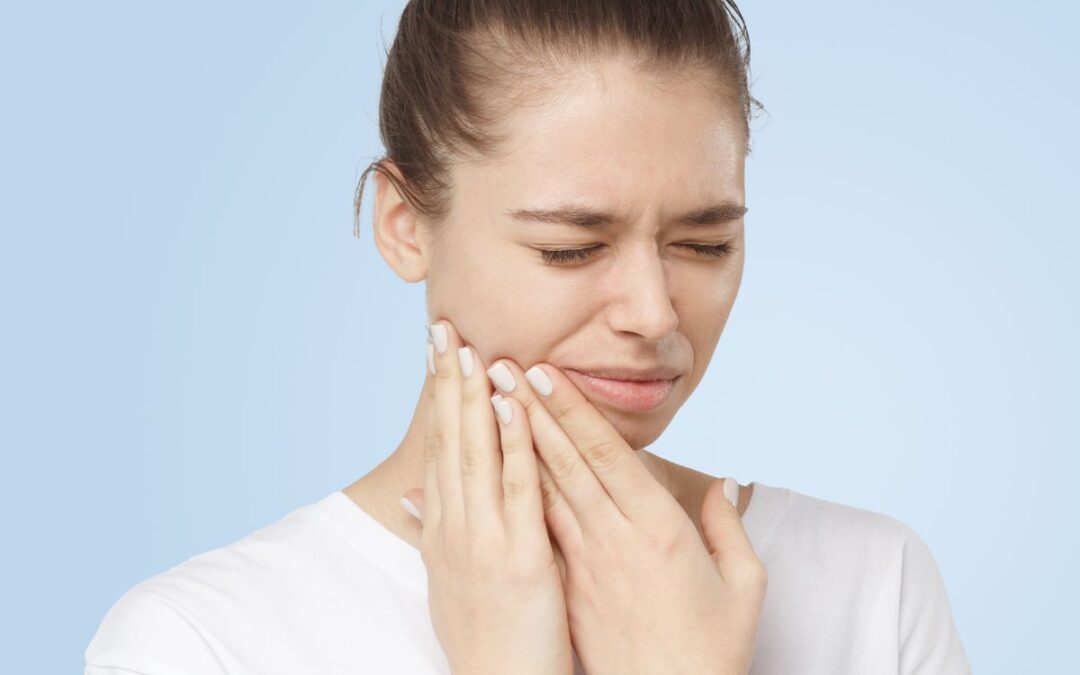
When the temperatures drop, many people start to feel quick, sharp zings in their teeth or notice that their gums seem a little more irritated than usual. Sipping a warm drink or stepping outside into chilly air can suddenly become uncomfortable. If you’ve ever wondered why this happens during the winter months, this guide will walk you through what’s going on and how you can ease the discomfort.
Why Your Teeth Feel More Sensitive in Cold Weather?
Cold air can cause your tooth enamel to expand and contract. This movement may expose the layer under the enamel—called dentin—which contains tiny tubes that connect to the tooth’s nerve. When dentin becomes exposed, even a slight temperature change can lead to sensitivity.
If you already have weakened enamel, worn-down fillings, or untreated cavities, you may notice the cold weather makes your symptoms worse. Winter tends to highlight problems that were already there but felt mild in warmer months.
Gum Problems That Get Worse in the Winter
Winter doesn’t just affect your teeth—it can also impact your gums. The dry, cold air outside and the heated indoor air can reduce moisture in your mouth. Less moisture can make your gums feel tender, irritated, or more prone to bleeding.
Seasonal illnesses like colds or sinus infections often lead to mouth breathing, which further dries out the gum tissue. When the gumline loses moisture, it becomes more sensitive to cold temperatures and may feel swollen or sore.
Common Winter Oral Health Symptoms
Many people notice similar patterns once colder temperatures arrive. You might experience:
- Sharp pain when breathing in cold air
- Tooth sensitivity when drinking hot or cold beverages
- Gum irritation or bleeding when brushing
- A dull ache in your teeth or jaw, especially outdoors
These symptoms are usually temporary, but if they persist, they may indicate a deeper issue that needs attention.
Everyday Habits That Make Winter Tooth Sensitivity Worse
Simple daily habits can add to winter discomfort without you realizing it. Brushing too hard or using a stiff-bristle toothbrush can wear down enamel. Whitening products, mainly when used frequently, can also worsen sensitivity.
Many people clench or grind their teeth during stressful winter months or while sleeping. This puts pressure on the teeth, making them more sensitive to cold. And switching between very hot and icy foods or drinks can amplify sensitivity because your enamel expands and contracts so quickly.
Easy Ways to Protect Your Teeth & Gums During the Cold Season
The good news? Small changes can make a big difference:
- Switch to a soft-bristled toothbrush
- Use toothpaste designed for sensitivity.
- Drink plenty of water to stay hydrated.
- Breathe through your nose to avoid drying out your mouth.
- Continue regular dental checkups.
These habits keep your teeth and gums protected even when the temperatures drop.
When Winter Sensitivity Signals a Bigger Issue?
If sensitivity becomes constant or feels more intense, the cold weather may simply be revealing an underlying problem. Issues like gum recession, cracked teeth, cavities, or early gum disease can worsen when exposed to chilly air.
Some people notice discomfort around areas where teeth are missing or where restorations are failing. A treatment like Permanent Tooth Replacement can help restore comfort and stability if missing teeth are contributing to cold-weather sensitivity.
Stay Comfortable This Winter – Visit Conte Dentistry
Cold-weather tooth and gum sensitivity is more common than most people realize, but you don’t have to deal with the discomfort all season long. If you notice persistent pain or sensitivity, the team at Conte Dentistry can help you find the cause and guide you toward long-lasting relief.
To get started, contact us today and keep your smile healthy and comfortable throughout the winter.