
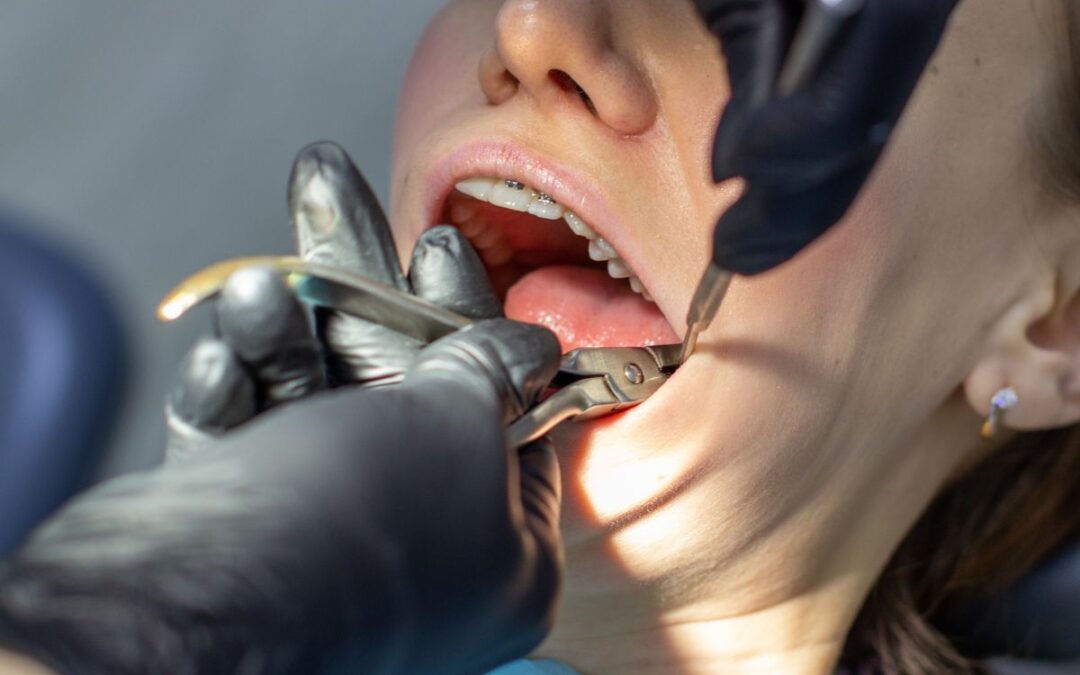
Braces work slowly, carefully, and in small steps, which is why regular tightening appointments are a crucial part of the treatment process. If you or your child has recently started wearing braces, you may wonder why these visits are necessary and what they actually accomplish. Understanding the purpose behind each adjustment can make the entire experience smoother and much less stressful.
How Dental Braces Actually Move Your Teeth?
Braces rely on steady, gentle pressure to shift your teeth into better alignment. Each bracket is attached to a tooth, and the archwire running through them guides the movement. Over time, this controlled pressure encourages the surrounding bone to remodel, allowing the tooth to move into a healthier position.
Without ongoing adjustments, this pressure would eventually weaken and cease to function. That’s where tightening comes in.
Why is Tightening Appointments Necessary?
As teeth begin to shift, the tension in the archwire naturally decreases. When this happens, your braces are no longer applying enough force to keep your treatment moving forward. Regular tightening appointments help restore the correct amount of pressure, allowing your teeth to continue progressing toward their ideal positions.
During these visits, many patients rely on the guidance of an experienced orthodontist who can make precise, long-term adjustments needed to keep the process gentle yet effective. Each small change builds on the progress made in previous appointments.
What Happens During a Tightening Visit?
A tightening appointment is usually quick and straightforward. Your dentist or orthodontist will:
- Check how your teeth have moved since your last visit.
- Replace or adjust the archwire.
- Make any necessary bracket or elastic changes.
- Ensure the pressure is even and appropriate
Afterward, you may feel mild soreness. This is a sign that your braces are actively working again. The discomfort typically fades within a day or two.
How Often Do Braces Need Tightening?
Most patients return every four to six weeks for adjustments. The exact timeline varies depending on your teeth, your treatment plan, and how your mouth responds to each adjustment. Some phases of treatment require more frequent visits, while others may need fewer.
What If You Skip Tightening Appointments?
Missing or delaying adjustments can significantly slow down the treatment process. Without proper tightening:
- Tooth movement stalls.
- Treatment time lengthens.
- Teeth may shift in unintended ways.
- You may experience uneven pressure or discomfort
Keeping up with your appointments ensures steady, predictable progress.
Tips to Stay Comfortable After an Adjustment
It’s normal to feel a bit sore shortly after tightening, but there are simple ways to stay comfortable:
- Stick to soft foods for a day or two
- Use over-the-counter pain relief if needed.
- Rinse with warm saltwater.
- Avoid hard or sticky foods that can damage or irritate your braces.
Most patients adjust quickly and feel back to normal within a short time.
Keep Your Smile on Track with Conte Dentistry
If you’re undergoing braces treatment in Red Bank, NJ, staying consistent with tightening appointments is one of the best ways to keep your progress moving in the right direction. At Conte Dentistry, our team makes each visit comfortable, informative, and tailored to your needs. Contact us today to keep your smile journey on track.