
Sleep apnea is a common and serious sleep disorder that affects millions of people worldwide. Those with sleep apnea experience intermittent breathing interruptions during sleep, leading to poor rest, fatigue, and other health issues. The two primary treatment options for sleep apnea are CPAP (Continuous Positive Airway Pressure) therapy and oral appliances. But how do you know which one is right for you? Let’s explore both options to help you make an informed decision.
CPAP Therapy: The Standard Treatment
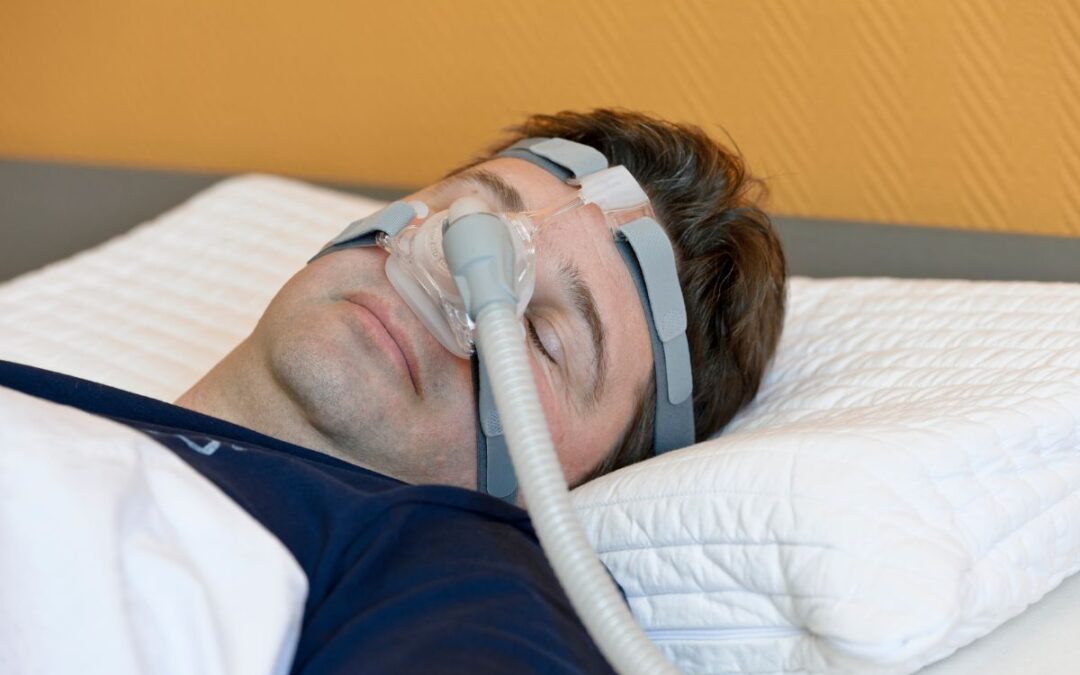
CPAP therapy is the gold standard for treating moderate to severe obstructive sleep apnea (OSA). It delivers a constant air flow through a mask that keeps your airway open while you sleep. The pressure from the machine prevents the tissues in your throat from collapsing and causing an airway obstruction.
While CPAP is effective in treating sleep apnea, it does have some drawbacks. The most significant complaint among users is discomfort. The bulky mask, the air pressure, and the noise from the machine can make it difficult for some patients to adjust. Furthermore, the device requires regular maintenance, including cleaning the mask and changing the filters, which can be cumbersome for some individuals.
Despite these challenges, CPAP remains the most commonly recommended treatment for people with more severe forms of sleep apnea. It’s particularly effective when used properly, and many patients find that it dramatically improves their sleep quality and overall health.
Oral Appliances: A Comfortable Alternative
Oral appliances, or mandibular advancement devices (MADs), offer a more comfortable and portable solution for those with mild to moderate obstructive sleep apnea. These devices are custom-fitted to the mouth by a dentist and work by repositioning the lower jaw and tongue to keep the airway open during sleep.
One of the most significant advantages of oral appliances is their comfort and convenience. They are small, lightweight, and portable, making them ideal for people who travel frequently. Unlike CPAP machines, oral appliances don’t require electricity, and they don’t create noise. Many users find them easier to adjust and more comfortable for everyday use.
Oral appliances are also a good option for people who are unable to tolerate CPAP therapy. They have fewer side effects and are less intrusive, making them an attractive alternative for people with mild to moderate sleep apnea or those who prefer a non-invasive sleep apnea treatment.
Sleep Apnea: What’s Right for You?
If you live in the Red Bank area and are struggling with sleep apnea, you may be wondering which treatment option is best for you. It’s essential to consult with a healthcare provider to determine the severity of your condition and what sleep apnea treatment will work best for your lifestyle. While CPAP may be necessary for more severe cases, oral appliances are an excellent option for those with milder forms of sleep apnea.
Conclusion
In the battle between CPAP therapy and oral appliances, the best sleep apnea treatment for you depends on your specific needs, preferences, and the severity of your condition. CPAP is highly effective for severe cases but can be uncomfortable and challenging to adapt to. On the other hand, oral appliances are a more comfortable, portable option that may be suitable for those with mild to moderate sleep apnea.
Contact Conte Dentistry: Louis Conte, DDS for personalized care and treatment options that suit your needs. We are here to help you achieve better sleep and improved health.